By using our website, you agree to the use of cookies as described in our Cookie Policy


Can Mobility Vans Be Upgraded After Purchase Anywhere in the U.S.?
Most people think buying a mobility van is the end of the road. You pick your features, sign the papers, and that's it. But accessibility needs shift. Technology improves. Bodies change. And if you're stuck with what you bought three years ago, you're missing out on what could make your life easier today.
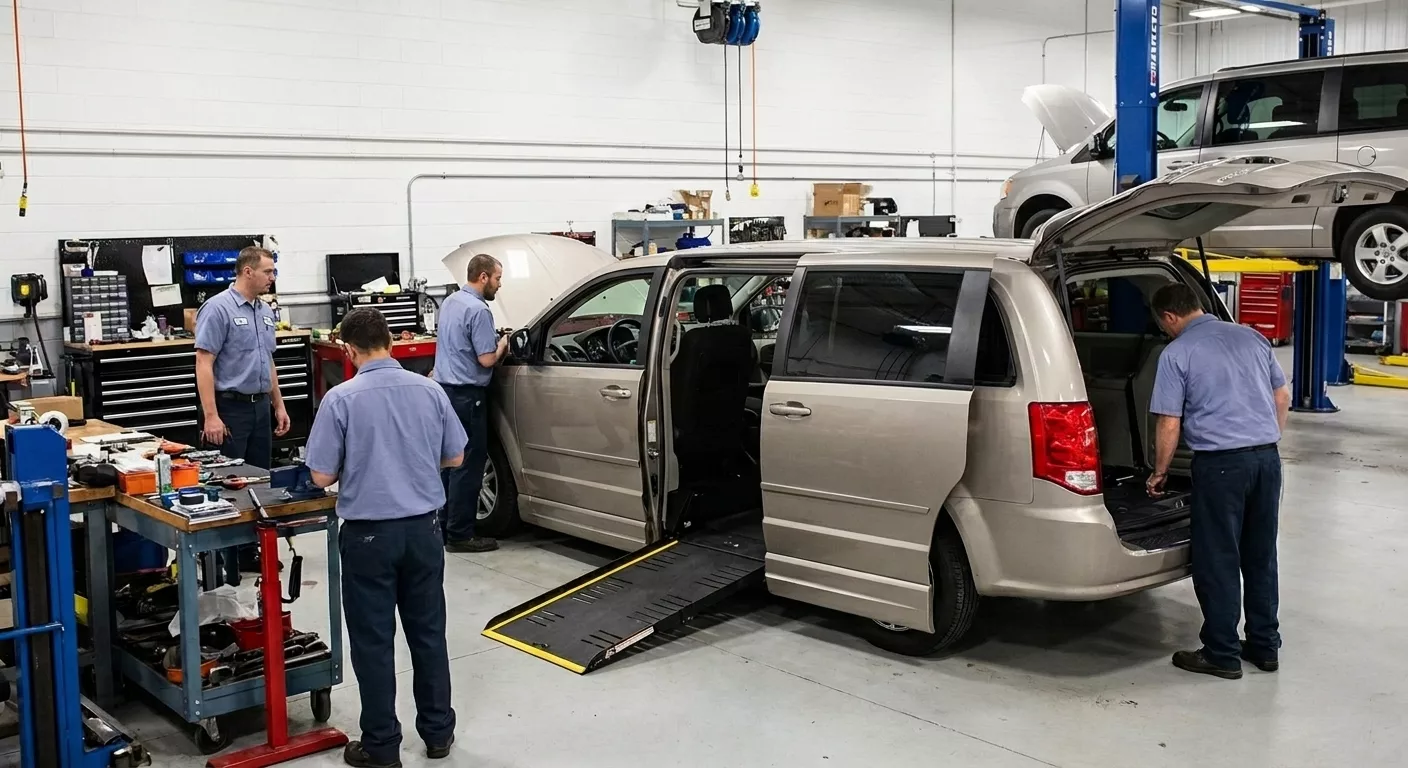
The good news? Upgrades are absolutely possible — and they're happening in shops across the country. The catch is knowing what's realistic, what's safe, and who can actually pull it off without turning your van into a liability. Not every modification shop is created equal, and not every upgrade fits every vehicle. So before you start planning changes, you need to understand how the system works and where the pitfalls are.
What Actually Qualifies as an Upgrade
Upgrades aren't just cosmetic tweaks or add-ons you saw on YouTube. We're talking about functional changes that improve access, safety, or independence. Some are straightforward swaps. Others require structural work, electrical rewiring, or recertification to stay compliant with federal safety standards.
The most common requests involve ramps, lifts, seating configurations, and driving controls. But there's a lot more on the table if your van can handle it and your budget allows. The key is matching the modification to both your needs and your vehicle's existing setup. A lift that works on a Dodge Grand Caravan might not fit a Ford Transit without serious adjustments.
- Ramp or lift replacements for better weight capacity or smoother operation
- Transfer seats that rotate or lower for easier boarding
- Hand controls, joystick systems, or pedal modifications for drivers with limited mobility
- Floor lowering or interior reconfiguration to accommodate larger wheelchairs
- Tech integrations like voice-activated doors, cameras, or remote entry systems
The National Network Exists, But It's Not Uniform
You can find certified mobility dealers in most states, especially near metro areas. Organizations like NMEDA set standards and maintain directories of qualified shops. That's helpful. But availability doesn't mean consistency. A shop in Phoenix might specialize in lift repairs while a dealer in Ohio focuses on driver controls. Some offer mobile service. Others require you to bring the van in for weeks.
Rural areas are trickier. You might have one certified shop within a hundred miles, and if they're booked out or don't carry the parts you need, you're waiting. That's why it pays to research ahead of time and confirm what a shop can actually do before you commit. Don't assume every dealer can handle every upgrade just because they're listed on a website. Finding authorized dealers who specialize in your specific needs is critical.
Compatibility Isn't Guaranteed
Just because an upgrade exists doesn't mean it'll work with your van. Year, make, model, and existing modifications all matter. A 2015 Chrysler Pacifica with a side-entry ramp has different structural limitations than a 2022 Honda Odyssey with a rear-entry lift. If your van's already been modified once, adding another layer of changes can create conflicts — electrical, mechanical, or both.
This is where certified techs earn their keep. They'll assess your current setup, check compatibility with the new equipment, and flag any issues before installation. Skipping this step is how people end up with lifts that don't align, seats that block ramps, or control systems that short out because the wiring wasn't rated for the load. Understanding customization options for your specific platform helps avoid these pitfalls.
- Vehicle age and mileage can limit what's worth upgrading
- Existing modifications may interfere with new equipment
- Weight capacity changes when you add or remove components
- Electrical systems need to support additional draws from powered upgrades
- Structural integrity must be maintained, especially with floor or door modifications
Warranty and Insurance Can Get Messy
Modifying a vehicle after purchase can void parts of your manufacturer's warranty. If you add a new lift and it damages the van's frame, don't expect the dealer to cover it. Same goes for electrical work that fries the factory wiring. Some mobility equipment comes with its own warranty, but that only covers the part — not the vehicle it's attached to.
Insurance is another minefield. Certain upgrades increase your van's value, which should be reflected in your policy. Others might raise red flags if they're not installed by a certified shop or don't meet safety standards. Always notify your insurer before making changes. If you don't, and something goes wrong, you could be stuck with a claim denial and a repair bill.
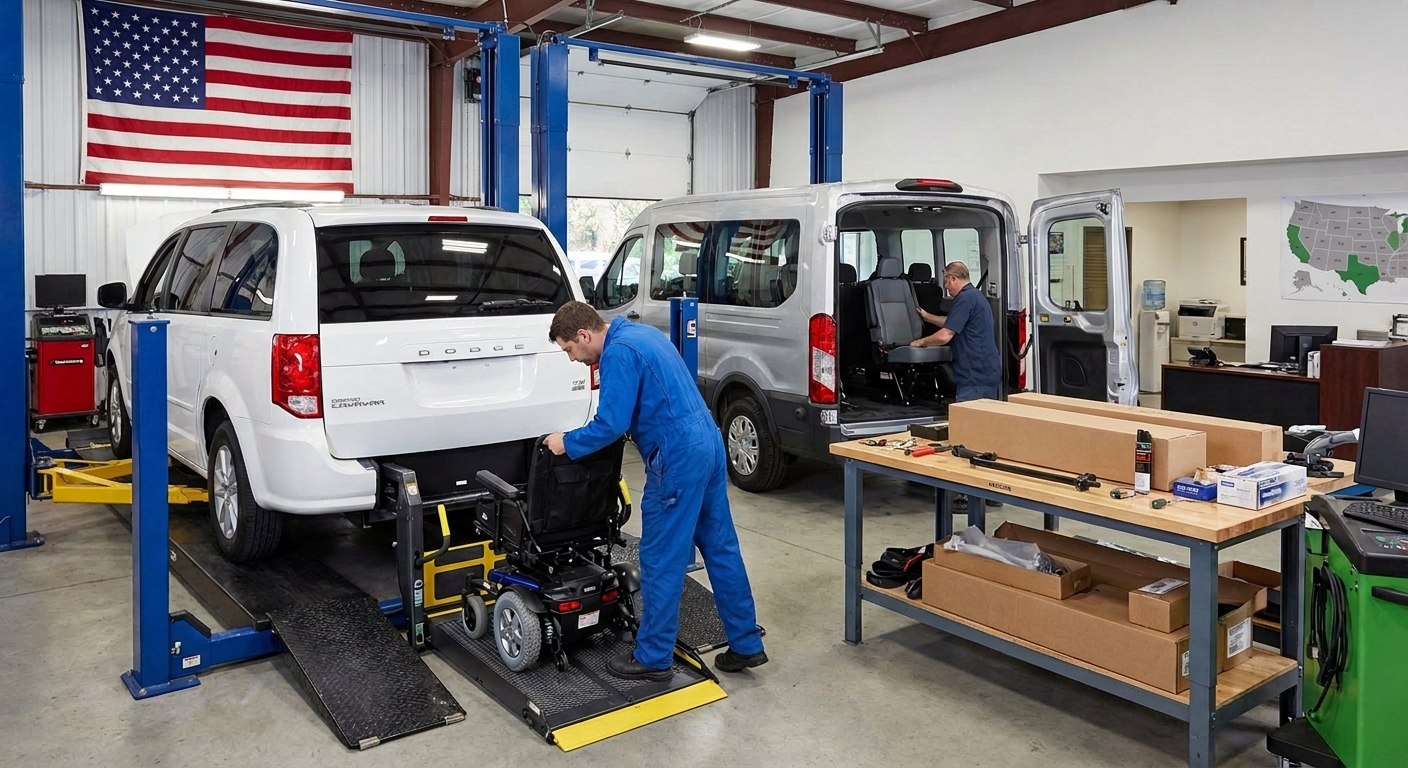
Cost Varies Wildly Depending on Scope
A basic hand control installation might run you a few hundred bucks. A full floor-lowering conversion with a new lift system? You're looking at five figures, easy. Labor, parts, certification, and any custom fabrication all add up. And if your van needs prep work before the upgrade can happen, that's extra.
Funding help exists, but it's not automatic. Some state programs, veterans' benefits, or nonprofit grants can offset costs. You'll need documentation, medical justification, and patience to navigate the application process. Most shops can point you toward resources, but they won't do the legwork for you. Exploring financing options early in the process can help you plan for these expenses.
- Hand controls and minor driving aids typically cost $500 to $2,000
- Ramp or lift replacements range from $2,000 to $8,000 depending on type
- Seating modifications can run $1,000 to $5,000 per seat
- Floor lowering and major structural work often exceed $10,000
- Tech upgrades like cameras or remote systems add $300 to $1,500
State Regulations Aren't One Size Fits All
Federal standards cover a lot, but states can add their own rules. Some require inspections after modifications. Others mandate specific certifications for shops doing the work. A few states have stricter emissions or safety standards that limit what you can change without triggering a re-inspection or registration issue.
Certified dealers know the local landscape. They'll make sure your upgrade doesn't put you sideways with the DMV or fail an inspection down the line. If you're working with an out-of-state shop or buying equipment online to install yourself, you're on your own to figure out compliance. That's risky.
Finding the Right Shop Takes More Than a Google Search
NMEDA's dealer locator is a solid starting point, but don't stop there. Check reviews. Ask for references. Find out how long they've been in business and what brands they're certified to install. A shop that's great with BraunAbility lifts might have zero experience with VMI conversions.
Talk to other mobility van owners in your area. Online forums and local disability advocacy groups can point you toward shops with good reputations and warn you away from the ones that overpromise and underdeliver. If a shop won't give you a detailed estimate or rushes you into a decision, walk away. Reading customer testimonials can provide valuable insight into real experiences with different providers.
- Verify NMEDA certification and ask for proof of insurance
- Request a written estimate that breaks down parts and labor
- Check how long the shop has been doing mobility work, not just general auto repair
- Ask about turnaround time and whether they offer loaner vehicles
- Confirm they'll handle any required inspections or paperwork post-upgrade
Upgrades Keep Your Van Relevant
Buying a mobility van is a big investment, and most people plan to keep it for years. But needs change. A manual ramp that worked fine when you were younger might be too much to handle now. A basic hand control setup might not cut it if your dexterity declines. Upgrading lets you adapt without starting from scratch. Whether you're considering medical transport vans or other specialized applications, keeping your vehicle current ensures it continues to meet your evolving needs.
The shops are out there. The parts are available. The expertise exists. You just need to do your homework, work with certified pros, and make sure every change is documented and compliant. Cutting corners might save money upfront, but it'll cost you when something breaks or you can't pass inspection. Treat upgrades like what they are — investments in your independence — and they'll pay off for as long as you own the van.
Let’s Make Your Mobility Van Work for You
Upgrading your mobility van shouldn’t be a hassle, and you don’t have to navigate it alone. We’re here to help you find the right solutions, keep your independence, and make sure every upgrade is safe and reliable. If you’re ready to explore your options or have questions about what’s possible, give us a call at 877-824-8267. Let’s take the next step together—Request Information and see how we can help you stay on the move.
‹ Back
Recent Posts
-

Can One Mobility Van Handle Every Transportation Need?
September 11, 2026
-
How Adult Daycare Vehicles Support Daily Transportation Needs
August 28, 2026
-

Are Crew Vans Being Used Beyond Job Sites?
August 14, 2026
-
-


Site by