By using our website, you agree to the use of cookies as described in our Cookie Policy


Can One Mobility Van Handle Multiple Transport Needs Coast to Coast?
Most people think a mobility van is just a vehicle with a ramp. Something to get from point A to point B. But when you're talking about cross-country trips, multiple passengers, and varying accessibility requirements, that van becomes infrastructure. It's not just transportation — it's reliability, flexibility, and peace of mind rolled into one chassis. And if you pick wrong, you're stuck with a machine that can't keep up.
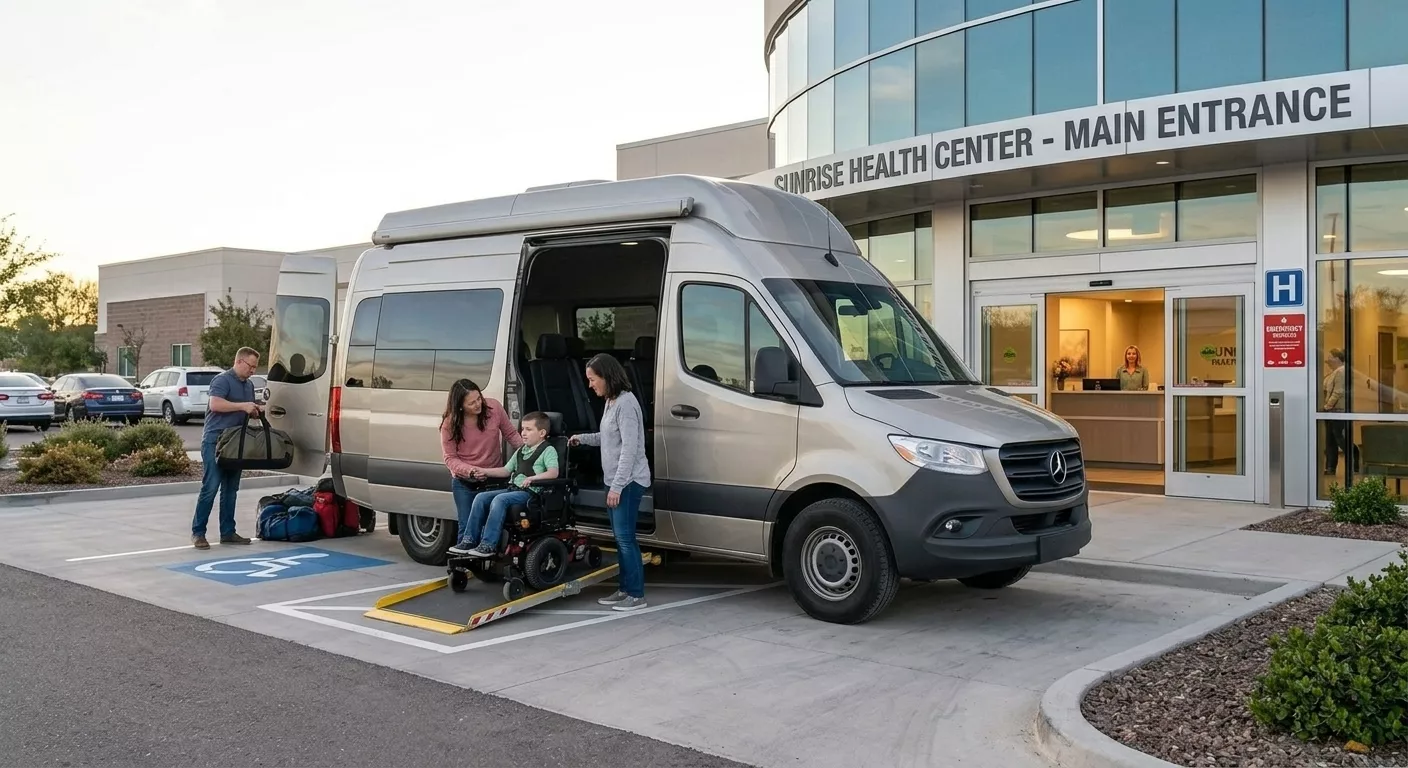
So here's what matters. If you're investing in a mobility van to handle everything from daily medical runs to multi-state family trips, you need more than good intentions. You need a vehicle that adapts, holds up under pressure, and doesn't leave you stranded halfway across Nevada. Every feature should serve a purpose. Every upgrade needs to justify itself. And every decision should be grounded in how the van will actually be used — not just how it looks in the showroom.
What Modern Vans Actually Deliver
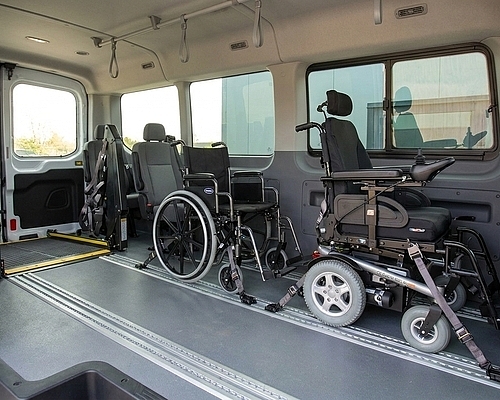
Today's mobility vans aren't one-size-fits-all boxes on wheels. They're built with modularity baked in. Manufacturers know that one passenger might need a power wheelchair secured with four-point tie-downs, while another rolls in with a manual chair and a walker. The best vans handle both without requiring a full interior teardown.
Ramp systems have evolved too. In-floor ramps disappear when not in use. Fold-out versions deploy in seconds. Climate control keeps passengers comfortable whether you're crossing Arizona in July or Montana in January. Navigation systems, backup cameras, and entertainment options make long hauls less grueling. These aren't luxuries anymore — they're baseline expectations when you're asking one vehicle to do the work of three.
Adapting to Different Passengers and Situations
Multiple transport needs means different things depending on who's asking. For families, it might mean school drop-offs, therapy appointments, and weekend getaways. For care facilities, it's rotating clients with different mobility devices throughout the day. For medical transport services, it's handling everything from routine checkups to emergency transfers.
A well-configured van can pivot between these scenarios if the interior is designed for it. Removable seating, adjustable tie-down points, and flexible storage let you reconfigure on the fly. The van that takes three passengers to a doctor's appointment in the morning can handle a solo wheelchair user with luggage that afternoon. That's the kind of versatility that justifies the investment.
Where Long Distance Trips Get Complicated
Coast-to-coast travel isn't just about distance. It's about durability under sustained use, road conditions that vary wildly, and weather that can swing from desert heat to mountain snow in a single day. Your van needs to handle all of it without breaking down in places where help is hours away.
Maintenance becomes non-negotiable. Oil changes, tire rotations, brake inspections — these aren't suggestions when you're putting thousands of miles on a vehicle that carries vulnerable passengers. Fuel efficiency matters too, especially when you're covering ground between charging stations or gas stops. And storage capacity has to account for medical equipment, luggage, and anything else passengers need for extended trips.
Then there's the infrastructure problem. Not every rest stop has accessible facilities. Not every hotel has roll-in showers. Not every attraction has ramps that actually work. Planning a cross-country trip means mapping accessibility as carefully as you map the route itself. The van can be perfect, but if the stops along the way aren't, the trip falls apart.
Upgrades That Actually Matter
Customization isn't about adding bells and whistles. It's about solving real problems before they happen. Advanced suspension systems smooth out rough roads and reduce fatigue for passengers with chronic pain. Extra power outlets keep medical devices charged. Reinforced flooring handles heavier wheelchairs without buckling.
Some operators install telematics systems that monitor vehicle health in real time. If something's about to fail, you get a warning before it becomes a roadside emergency. GPS tracking gives families and caregivers peace of mind when the van is on the road. These upgrades cost money upfront, but they pay off in reliability and reduced downtime.
- Suspension upgrades for smoother rides on uneven terrain
- Additional power outlets for medical equipment and devices
- Reinforced flooring to support heavier mobility devices
- Telematics for real-time vehicle health monitoring
- GPS tracking for location updates and route optimization
What You're Really Paying For
A fully equipped mobility van isn't cheap. Depending on the model and modifications, you're looking at a significant upfront cost. But compare that to maintaining multiple vehicles, renting vans for specific trips, or paying for specialized transport services every time you need to travel. The math starts to shift.
Financing options exist. So do grants, tax incentives, and programs designed to help offset the cost of accessible vehicles. Some manufacturers offer payment plans that spread the expense over time. The key is understanding what you're buying — not just a van, but a tool that expands mobility, independence, and opportunity.
- Financing plans that break up the initial investment
- Grants and assistance programs for accessible vehicle purchases
- Tax incentives that reduce the net cost
- Long-term savings compared to rentals or multiple vehicles
- Resale value retention for well-maintained mobility vans
Features That Separate Good Vans from Great Ones
Not all mobility vans are built the same. Some are converted from standard models with minimal modifications. Others are purpose-built from the ground up with accessibility as the core design principle. The difference shows up in how the van handles daily use and how it holds up over time.
Look for vans with low floor heights that make entry easier. Check the weight capacity of ramps and tie-down systems. Test the ease of reconfiguring seating and storage. Ask about warranty coverage, especially for accessibility-specific components. The best vans are the ones that don't require constant workarounds or compromises.
- Low floor heights for easier boarding and exiting
- High weight capacity ramps and tie-down systems
- Quick-release seating for fast reconfiguration
- Extended warranties on accessibility components
- Proven track records with high-mileage users
Maintenance Schedules You Can't Ignore
Skipping maintenance on a mobility van isn't just risky — it's dangerous. These vehicles carry passengers who may not be able to exit quickly in an emergency. Brake failure, tire blowouts, or engine trouble can turn a routine trip into a crisis.
Stick to the manufacturer's maintenance schedule. Inspect ramps and tie-downs regularly for wear. Check electrical systems that power lifts and other accessibility features. Keep records of every service visit. If something feels off, get it checked before it becomes a breakdown. Preventive maintenance costs less than emergency repairs, and it keeps passengers safe.
- Follow manufacturer maintenance schedules without exception
- Inspect ramps and tie-downs for wear and damage
- Test electrical systems for lifts and accessibility features
- Document all service visits and repairs
- Address unusual sounds or performance issues immediately
Planning Routes with Accessibility in Mind
The van is only half the equation. The route matters just as much. Before any long trip, map out accessible rest stops, hotels, and attractions. Call ahead to confirm that facilities meet your needs. Don't rely on outdated information or assumptions — accessibility claims don't always match reality.
Build in extra time for stops. Passengers with mobility challenges may need more frequent breaks. Weather delays happen. Traffic happens. Rushing a cross-country trip in a mobility van is a recipe for stress and mistakes. Plan conservatively, and you'll arrive safely.
- Map accessible rest stops and facilities before departure
- Call ahead to verify accessibility claims
- Build in extra time for breaks and unexpected delays
- Have backup routes in case of road closures or detours
- Keep emergency contact information for roadside assistance
One Van, Multiple Roles
A single mobility van can handle diverse transport needs if it's chosen wisely and maintained properly. The key is matching the vehicle to the actual use cases — not the ideal scenarios you imagine, but the real trips you'll take. Daily commutes, medical appointments, family vacations, and cross-country journeys all place different demands on a van. Exploring vehicle platforms helps you understand which configurations work best for your specific requirements. Understanding customization options ensures you get exactly what you need without paying for features you won't use. The best ones rise to meet them without complaint. The wrong ones leave you wishing you'd done more homework before signing the paperwork.
Let’s Make Your Next Journey Effortless
We know how important it is to have a mobility van that truly fits your lifestyle, whether you’re planning daily outings or cross-country adventures. Let’s work together to find the right solution that keeps you moving with confidence and comfort. Reach out to us at 877-824-8267 or request information—we’re ready to help you get on the road with peace of mind.
‹ Back
Recent Posts
-

Can One Mobility Van Handle Every Transportation Need?
September 11, 2026
-
How Adult Daycare Vehicles Support Daily Transportation Needs
August 28, 2026
-

Are Crew Vans Being Used Beyond Job Sites?
August 14, 2026
-
-


Site by