By using our website, you agree to the use of cookies as described in our Cookie Policy


Are School Activity Vehicles Safer Than Standard Buses Across the U.S.?
Most parents assume all school transportation is created equal. Yellow bus, white van, charter coach—it's all the same, right? Wrong. The vehicle your kid climbs into for a field trip or away game might not meet the same safety standards as the one that picks them up every morning. And if you're not asking questions, you're trusting a system that doesn't always deserve it.
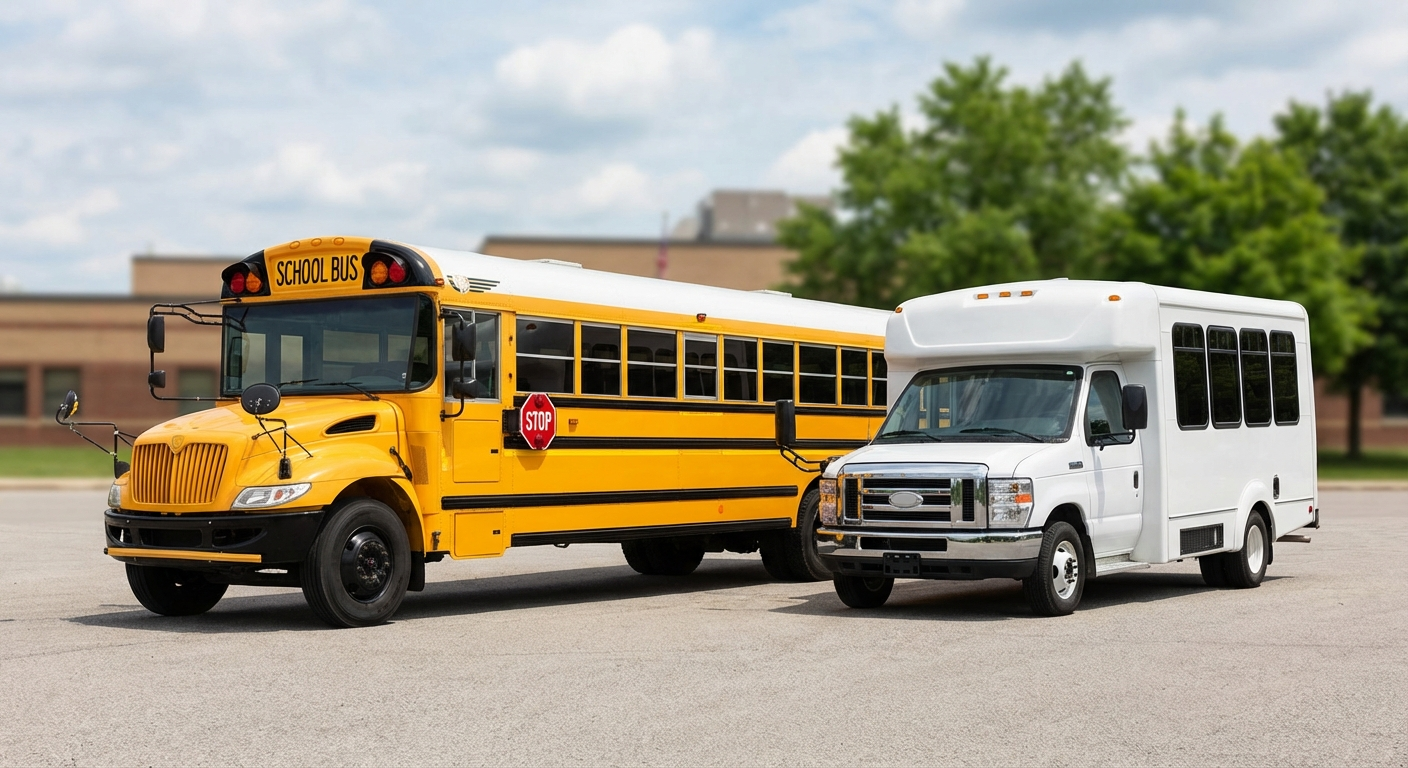
Standard school buses are built like tanks. They're regulated, inspected, and designed with one job in mind—getting kids home in one piece. Activity vehicles? That's a different game. Depending on the state, the vehicle type, and who's behind the wheel, you might be looking at a safety gap wide enough to drive a 15-passenger van through.
What Makes a School Bus Different
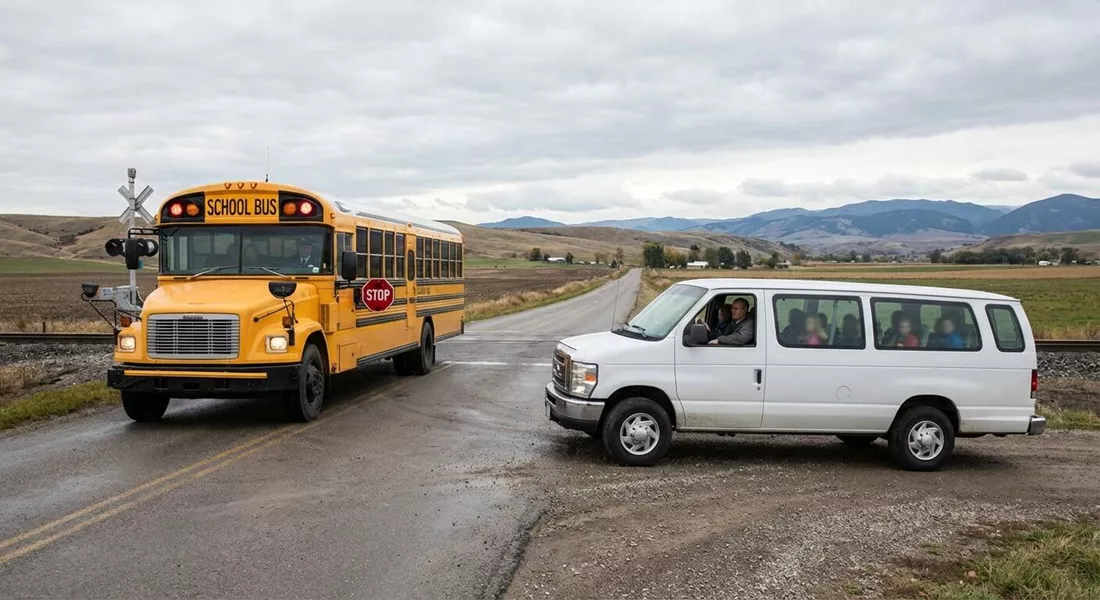
The big yellow bus isn't just painted that way for fun. It's engineered from the ground up to protect passengers. High-backed seats, reinforced frames, and compartmentalization—a design that keeps kids safe even without seat belts in most cases. Add in the flashing lights, stop arms, and mandatory railroad crossing stops, and you've got a vehicle that other drivers know to respect.
Activity vehicles don't always get that treatment. Some are glorified passenger vans. Others are retrofitted commercial vehicles that were never meant to haul students in the first place. They might not have stop arms. They might not have reinforced sides. And in some states, they don't even need to be yellow. That means other drivers don't always recognize them as school transport—and that's a problem when seconds matter.
The Regulations Aren't Always There
Federal law sets a baseline for school buses. States can add to it, but the core standards are solid. Activity vehicles? That's where things get messy. Some states treat them like school buses. Others treat them like rental vans. And a few barely regulate them at all.
Here's what that looks like in practice:
- Some SAVs don't require stop arms or flashing lights
- Seating standards can be looser or nonexistent
- Inspection schedules vary wildly by state
- Rollover protection isn't always mandated
- Driver qualifications can be shockingly low
Who's Driving Matters More Than You Think
School bus drivers need a commercial driver's license with a passenger endorsement. They go through background checks, drug testing, and specialized training. They know how to handle a 36-foot vehicle full of kids in traffic, bad weather, and emergencies. That's not optional—it's the law.
Activity vehicle drivers? Not always. In some states, you can drive a 15-passenger van full of students with nothing more than a regular license and a clean record. No CDL. No special training. Just a set of keys and a prayer. That's not a knock on the drivers themselves—it's a gap in the system that puts kids at risk.
Training Gaps Show Up in Real Time
When something goes wrong on the road, experience matters. A trained school bus driver knows how to manage a skid, handle a blowout, or evacuate a vehicle in under two minutes. A volunteer parent driving a van to a soccer tournament? Maybe not. And when the vehicle itself is less forgiving—like a top-heavy van with a high center of gravity—that gap gets dangerous fast.
The Data Tells a Clear Story
School buses have one of the lowest fatality rates per mile traveled of any vehicle on the road. The NHTSA has the numbers to prove it. Crashes happen, but when they do, kids in school buses tend to walk away. That's not luck—it's engineering and regulation working together.
Activity vehicles don't have the same track record. Studies on 15-passenger vans, in particular, show elevated rollover risk, especially when fully loaded. The Insurance Institute for Highway Safety has flagged these vehicles repeatedly. Some districts have banned them outright. Others still use them because they're cheap and convenient.
Rollover Risk Isn't Theoretical
A fully loaded passenger van handles differently than an empty one. The center of gravity shifts. Steering gets twitchy. And if the driver isn't trained to compensate, a sharp turn or sudden lane change can flip the vehicle. School buses are built to resist that. Vans aren't. And when a rollover happens, the consequences are catastrophic.
State Rules Create a Patchwork of Safety
Some states get it right. They require activity vehicles to meet the same standards as school buses—or close to it. Others treat them like rental cars with extra seats. That means a student in California might ride in a vehicle that wouldn't pass inspection in New York. And parents often have no idea which side of that line their district falls on.
Here's what varies state to state:
- Whether SAVs need to be yellow or marked
- Driver licensing and training requirements
- Inspection frequency and standards
- Seat belt mandates for passengers
- Restrictions on vehicle type and capacity
Maintenance and Oversight Get Overlooked
School buses are inspected regularly. Maintenance logs are required. Defects get flagged and fixed before the vehicle rolls again. Activity vehicles? Not always. Some districts treat them like fleet vehicles—oil changes and tire rotations when someone remembers. Others contract with third parties and hope for the best.
That's a problem because a poorly maintained vehicle is a ticking time bomb. Worn brakes, bald tires, or a sketchy suspension can turn a routine trip into a disaster. And when the vehicle isn't subject to the same inspection standards as a school bus, those issues can go unnoticed until it's too late. Understanding mobility van maintenance standards can help districts establish better protocols for all student transport vehicles.
What Parents and Schools Should Demand
If your district uses activity vehicles, you have a right to ask questions. What kind of vehicles are they using? Who's driving them? What training do those drivers have? And what safety standards are being met—or ignored?
Here's what to push for:
- CDL requirements for all drivers transporting students
- Regular inspections on par with school bus standards
- Restrictions on high-risk vehicles like 15-passenger vans
- Clear policies on seat belt use and passenger limits
- Transparency around safety records and incident reports
The Bottom Line on Safety
Standard school buses are safer. That's not opinion—it's backed by design, regulation, and decades of data. Activity vehicles can be safe too, but only when they're held to the same standards. And right now, in too many places, they're not. Schools should explore vehicle platforms specifically designed for safe student transport, including options like Ford Transit and Ram ProMaster configurations that meet rigorous safety requirements.
We're not saying ban every van or charter bus. We're saying treat student safety like it matters—every time, every trip, every vehicle. Because when schools cut corners on transportation, it's not the budget that pays the price. It's the kids in the back seat.
Let’s Make Student Transportation Safer Together
We all want peace of mind when our kids head out on school trips, and that starts with making informed choices about the vehicles and drivers we trust. If you’re ready to raise the bar for student safety or have questions about compliant, reliable transportation solutions, let’s connect. Call us at 877-824-8267 or request information—together, we can ensure every ride is as safe as it should be.
‹ Back
Recent Posts
-
Should You Choose a Custom Wheelchair Van or a Factory Model?
October 9, 2026
-
When Is It Time to Replace Your Medical Transport Vehicle?
September 25, 2026
-

Can One Mobility Van Handle Every Transportation Need?
September 11, 2026
-
How Adult Daycare Vehicles Support Daily Transportation Needs
August 28, 2026
-

Are Crew Vans Being Used Beyond Job Sites?
August 14, 2026

Site by