By using our website, you agree to the use of cookies as described in our Cookie Policy


How Long Do Wheelchair Accessible Vans Typically Last Across America?
Most people think buying a wheelchair accessible van is just about finding the right ramp. But longevity? That's where the real investment shows up. These vehicles aren't cheap, and they're not just transportation—they're independence on wheels. So when someone asks how long one will last, the answer matters. A lot.
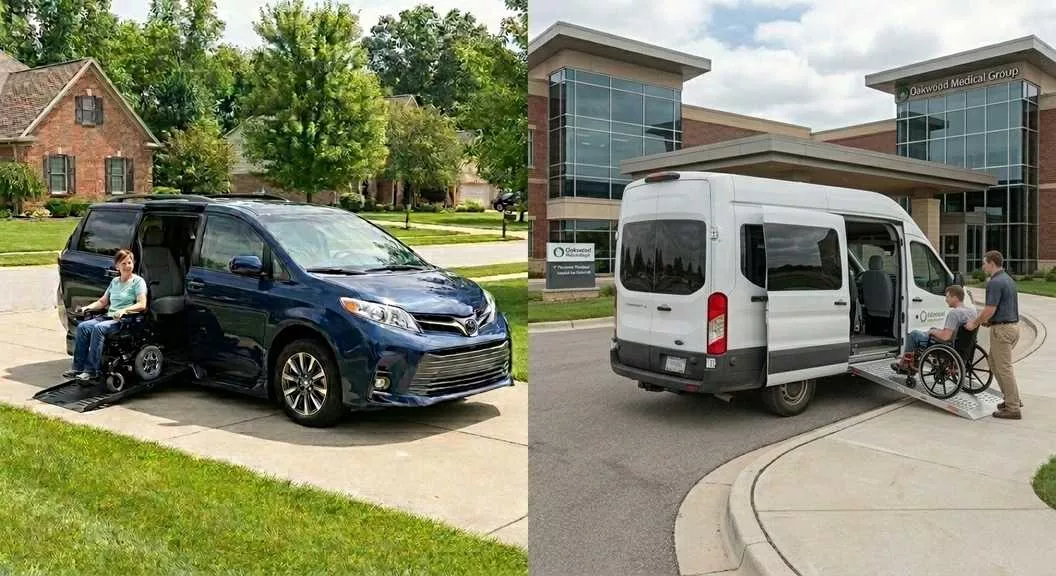
The truth is, a well-maintained accessible van can run strong for 8 to 12 years or push past 150,000 miles without breaking a sweat. Some go further. Others don't make it that far. The difference comes down to how the van was built, how it's treated, and whether the owner knows what to know before you buy a wheelchair van and what to watch for before things go sideways.
The Base Vehicle Sets the Tone
Not all vans are created equal. The platform you start with—whether it's a Chrysler Pacifica, Honda Odyssey, Toyota Sienna, or a full-size Ford Transit—determines how much abuse the vehicle can take before it starts showing cracks. These models are chosen because they're reliable. But once you add a lowered floor, a ramp system, and adaptive equipment, the game changes.
The conversion itself becomes part of the equation. A sloppy install or cheap materials can cut years off the van's life. A quality build from a reputable dealer? That's what gets you past 200,000 miles without constant trips to the shop.
What Drags Down Lifespan
- Conversion quality: Budget conversions use thinner metal, weaker hydraulics, and shortcuts that show up fast. Premium builds hold up because they're engineered to last, not just pass inspection.
- Maintenance habits: Skipping oil changes or ignoring the ramp's lubrication schedule is a fast track to expensive repairs. The base vehicle and the adaptive equipment both need attention, as covered in common questions about mobility van maintenance.
- How it's used: Personal use is gentler than commercial service. Vans running medical transport routes or rideshare duty rack up miles and cycles on the ramp faster than a family vehicle ever will.
- Climate and road conditions: Salt, humidity, and freeze-thaw cycles eat away at metal. Rust on the undercarriage or ramp mechanism can turn a solid van into a liability.
- Driving style: Aggressive acceleration, hard braking, and overloading the van all add stress. Treat it rough, and it won't last as long.

When the Van Starts Telling You It's Done
Every vehicle has a breaking point. Even the best-maintained accessible van will eventually show signs that it's time to move on. Ignoring those signs doesn't save money—it just makes the inevitable more expensive.
- Repairs start piling up faster than you can schedule them
- Rust appears on the ramp, lift, or frame
- The conversion equipment feels outdated or unreliable
- Parts become hard to find or prohibitively expensive
- Safety or comfort for the user starts slipping
Stretching Every Mile Out of It
Want to hit 250,000 miles? It's not luck. It's discipline. The vans that last longest are the ones that get consistent care, not just when something breaks.
- Stick to the maintenance schedule for both the vehicle and the conversion. No exceptions.
- Keep the ramp and lift clean. Debris and grime accelerate wear and can jam mechanisms, which is why understanding keeping medical mobility vans clean matters for longevity.
- Store it covered whenever possible. Garages protect against weather damage and corrosion.
- Fix problems early. A small hydraulic leak today becomes a full system replacement tomorrow.
- Use certified mobility shops for repairs. General mechanics don't always understand the conversion components.
Knowing When to Upgrade
Technology moves fast. A van from 2012 doesn't have the safety features, fuel efficiency, or user-friendly design of a 2024 model. If your van is pushing a decade, newer options might offer better accessibility, smoother operation, and fewer headaches.
And if your mobility needs have shifted—maybe you need more space, a different ramp style, or updated seating—holding onto an older van just because it still runs isn't always the smart play. Exploring vehicle platforms can help you understand what modern options are available.
Built to Last, If You Let It
Wheelchair accessible vans are tougher than most people give them credit for. With the right care, they'll deliver reliable service for years and rack up serious mileage without falling apart. But that longevity isn't automatic. It's earned through regular maintenance, smart driving, and knowing when to call in a pro instead of hoping the problem fixes itself. When the time comes to upgrade, the market's full of options—just make sure the next one's built as well as the last.
Let’s Keep You Moving Forward
We know how important it is for your accessible van to stay reliable year after year. If you’re thinking about your next upgrade or want advice on keeping your current ride in top shape, let’s talk it through together. Call us at 877-824-8267 or request information—we’re here to help you stay on the road with confidence.
‹ Back
Recent Posts
-
When Is It Time to Replace Your Medical Transport Vehicle?
September 25, 2026
-

Can One Mobility Van Handle Every Transportation Need?
September 11, 2026
-

How Adult Daycare Vehicles Support Daily Transportation Needs
August 28, 2026
-

Are Crew Vans Being Used Beyond Job Sites?
August 14, 2026
-


Site by