By using our website, you agree to the use of cookies as described in our Cookie Policy


What Goes Into Designing a Custom Mobility Vehicle Nationwide?
Most people think custom mobility vehicles are just about adding a ramp and calling it done. But the reality? It's a full-scale engineering project wrapped around one person's life. Every modification has to account for physical ability, daily routine, and long-term usability. Miss one detail, and the vehicle becomes a liability instead of a lifeline. The best builds start with questions, not assumptions — and they end with something that actually works in the real world.
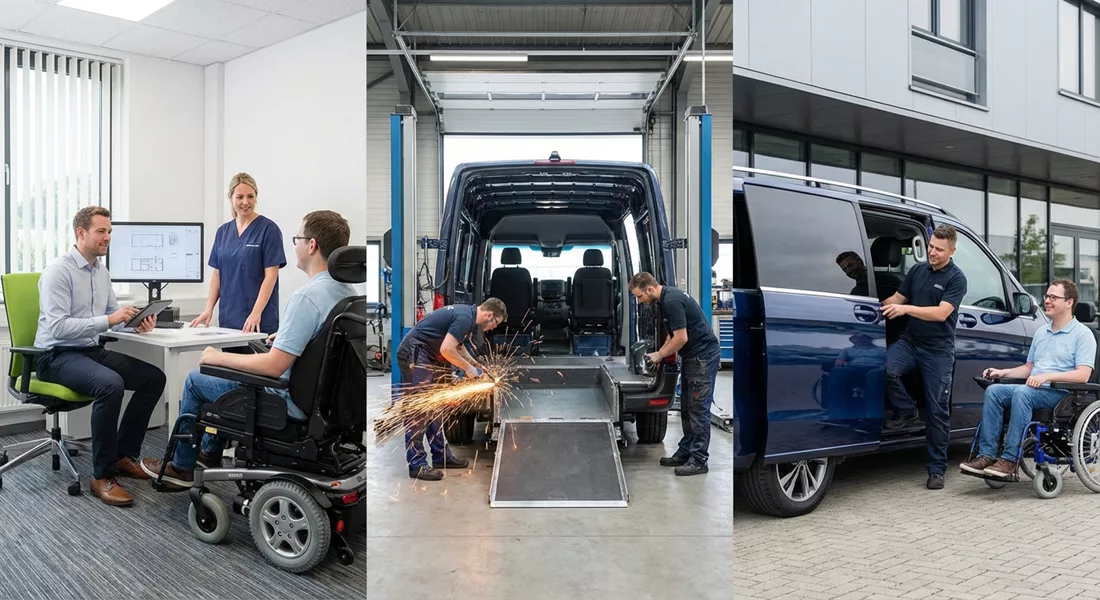
We've seen what happens when shortcuts get taken. Vehicles that don't fit the user. Equipment that breaks down after six months. Modifications that look good on paper but fail the moment someone tries to use them independently. That's why the process matters just as much as the product. If you're building something this personal, you'd better be ready to get it right.
The Assessment Comes First
Before a single wrench gets turned, we need to know who's using the vehicle and how. That means sitting down with the user, their medical team, and anyone else who understands their mobility challenges. Height, weight, range of motion, transfer ability — it all factors in. So does the type of mobility device they rely on, whether that's a manual wheelchair, power chair, or scooter.
This isn't a checklist. It's a conversation. We're mapping out daily life, not just measurements. Where do they need to go? Who's driving? What happens in bad weather? The more we understand upfront, the fewer problems show up later. And when it comes to independence, there's no room for guesswork.
Picking the Right Platform
Not every vehicle works for every user. Minivans offer maneuverability and fuel efficiency. Full-size vans provide more interior space and flexibility for complex modifications. SUVs can handle rough terrain but may require more aggressive structural changes. The base vehicle sets the tone for everything that follows.
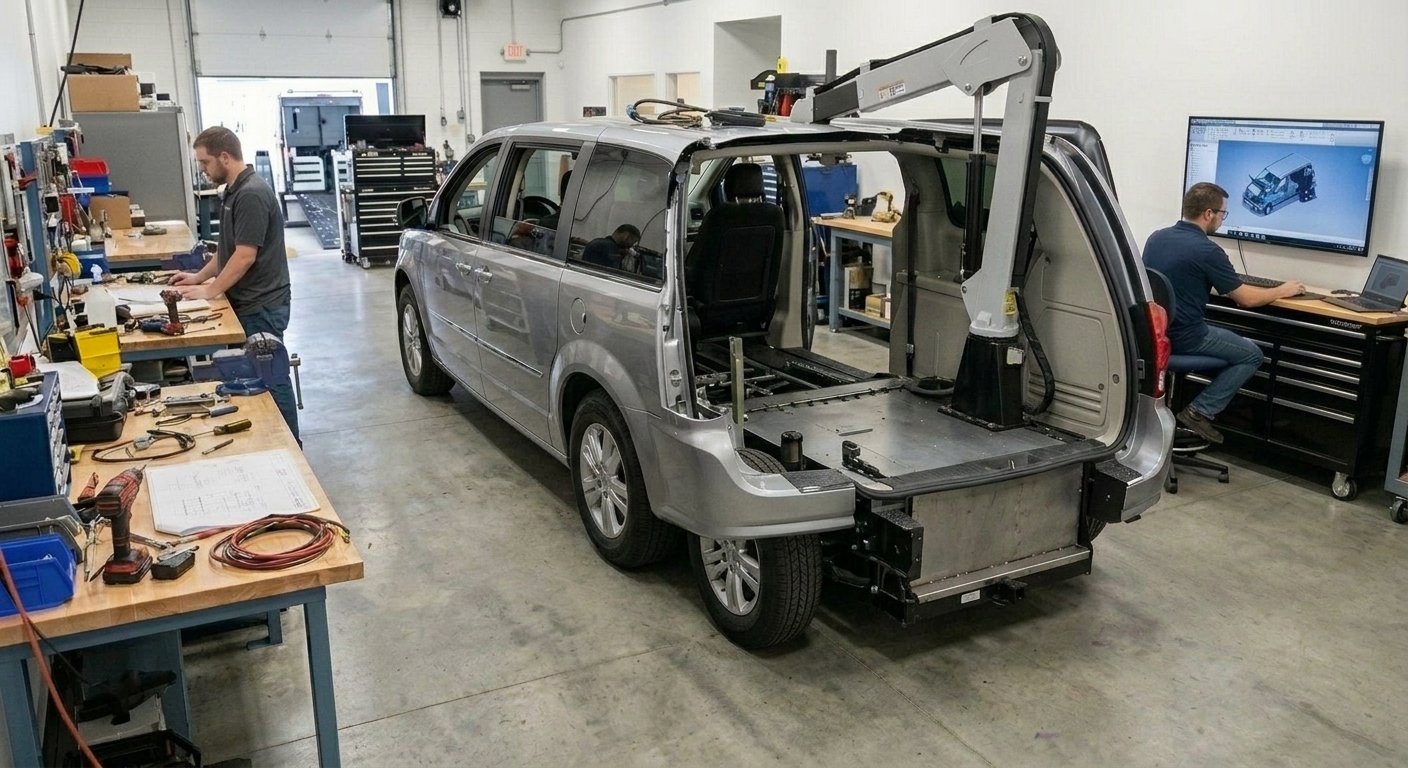
Once we've locked in the platform, the real work begins. Floors get lowered. Roofs get raised. Doors get widened. In some cases, the chassis needs reinforcement to handle the added weight of lifts, ramps, or specialized seating. Every change has to maintain structural integrity while meeting federal safety standards. It's a balancing act between accessibility and engineering.
The Modifications That Matter Most
Accessibility isn't one-size-fits-all. What works for a power chair user won't work for someone transferring from a manual wheelchair. That's why we build around the individual, not the catalog. The right combination of features can mean the difference between dependence and freedom.
- Automated ramps or lifts that deploy with the push of a button, eliminating the need for manual setup
- Wheelchair securement systems engineered to keep mobility devices locked in place during transit
- Hand controls for drivers who can't use foot pedals, customized to their grip strength and range of motion
- Swivel seats that rotate outward, making transfers smoother and safer
- Remote-operated doors, climate controls, and other systems that reduce physical strain
Regulations Aren't Suggestions
Every custom mobility vehicle has to meet strict federal and state standards. The NHTSA sets crashworthiness requirements. The ADA establishes accessibility benchmarks. Manufacturers and upfitters who ignore these rules don't stay in business long — and users who buy from them end up with unsafe, non-compliant vehicles.
Compliance isn't just about passing inspection. It's about ensuring the vehicle performs as expected in real-world conditions, including accidents. Structural modifications can't compromise the integrity of the frame. Equipment installations must be secure enough to withstand impact. Regular certifications and third-party testing keep everyone honest.
Personalization Beyond Function
Once the essentials are covered, many users want to make the vehicle their own. Custom paint. Upgraded interiors. Advanced audio systems. Specialized storage for medical equipment or personal gear. These aren't frivolous add-ons — they're part of making the vehicle feel like it belongs to the person using it, not just a medical device on wheels.
Some users need even more specialized adaptations. Joystick driving systems for those with limited hand function. Voice-activated controls for users with severe mobility restrictions. The technology exists, but it takes expertise to integrate it safely and reliably. That's where collaboration between engineers, occupational therapists, and the user becomes critical.
The Team Behind the Build
No one builds a custom mobility vehicle alone. It takes mobility specialists who understand accessibility, engineers who can execute complex modifications, and manufacturers who stand behind their work. The user and their support network stay involved throughout the process, providing feedback and making decisions at every stage.
After delivery, the relationship doesn't end. Training sessions walk users through new features and mobility van maintenance requirements. Ongoing support ensures that issues get addressed quickly, whether that's a mechanical problem or a question about operation. The best providers treat this as a long-term partnership, not a one-time transaction.
Service Networks That Reach Everywhere
Building a custom mobility vehicle nationwide means more than just shipping a finished product. It means having certified technicians, service centers, and parts availability in every region. Users in rural areas need the same access to support as those in major cities. Remote consultations, virtual assessments, and mobile service options help bridge the gap.
Delivery logistics matter too. Vehicles need to arrive on time, fully functional, and ready to use. Any delays or defects can disrupt someone's ability to work, attend medical transport appointments, or participate in daily life. That's why the best providers invest in logistics and quality control at every step.
What Happens When You Skip Steps
Cutting corners in the design process leads to predictable failures. Vehicles that don't fit the user's needs. Equipment that malfunctions or wears out prematurely. Modifications that violate safety standards and put everyone at risk. We've seen it happen, and it's always avoidable.
- Skipping the assessment phase and guessing at user needs
- Choosing the cheapest base vehicle instead of the right one
- Installing equipment without proper training or certification
- Ignoring compliance requirements to save time or money
- Failing to provide ongoing support after delivery
Building for the Long Haul
A custom mobility vehicle isn't a short-term fix. It's a long-term investment in independence, safety, and quality of life. That means designing for durability, not just initial functionality. Components need to withstand daily use. Systems need to be repairable, not disposable. And the vehicle itself needs to adapt as the user's needs change over time.
The process is complex, but it's not mysterious. It's about listening, planning, and executing with precision. When done right, a custom mobility vehicle doesn't just transport someone from point A to point B. It opens up possibilities that weren't there before. And that's the whole point.
If you're ready to explore vehicle platforms designed for accessibility, or want to learn more about buying a wheelchair van, or need to understand ADA compliant transport services, we're here to help you navigate every step of the process.
Let’s Build Your Freedom Together
Designing a custom mobility vehicle is about more than specs and features—it’s about creating a solution that truly fits your life. We’re committed to making sure every detail works for you, from the first conversation to long-term support. If you’re ready to take the next step, give us a call at 877-824-8267 or request information and let’s start building your independence together.
‹ Back
Recent Posts
-
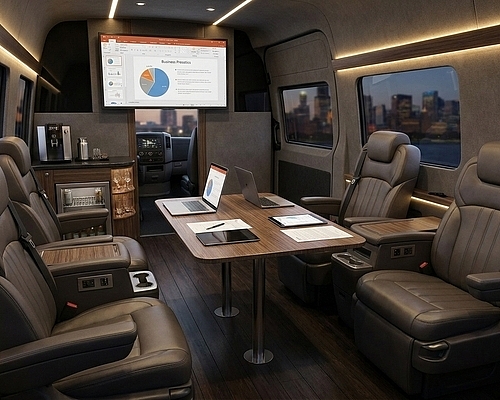
Can Executive Livery Vans Be Customized for Business Travel?
October 23, 2026
-
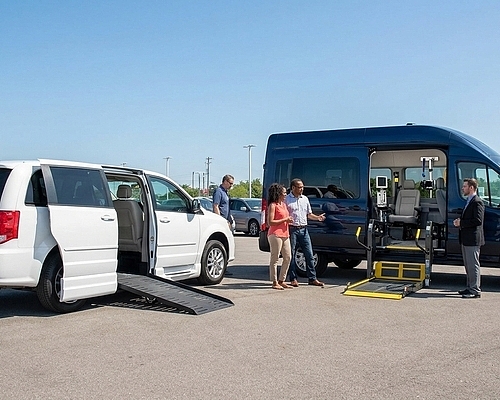
Should You Choose a Custom Wheelchair Van or a Factory Model?
October 9, 2026
-
When Is It Time to Replace Your Medical Transport Vehicle?
September 25, 2026
-

Can One Mobility Van Handle Every Transportation Need?
September 11, 2026
-
How Adult Daycare Vehicles Support Daily Transportation Needs
August 28, 2026

Site by