By using our website, you agree to the use of cookies as described in our Cookie Policy


Is Your School Activity Vehicle Ready for Growing Student Groups?
School districts across the country are watching their extracurricular rosters swell. Sports programs are adding teams. Clubs are multiplying. Field trips are back in full swing after years of cutbacks. And all of that momentum creates one very real logistical problem—getting everyone where they need to go. If your district is still running the same fleet it had five years ago, chances are those vehicles weren't built for the demand you're seeing now. Capacity isn't just about counting seats anymore. It's about whether those seats are safe, legal, and comfortable enough to handle the miles you're putting on them.
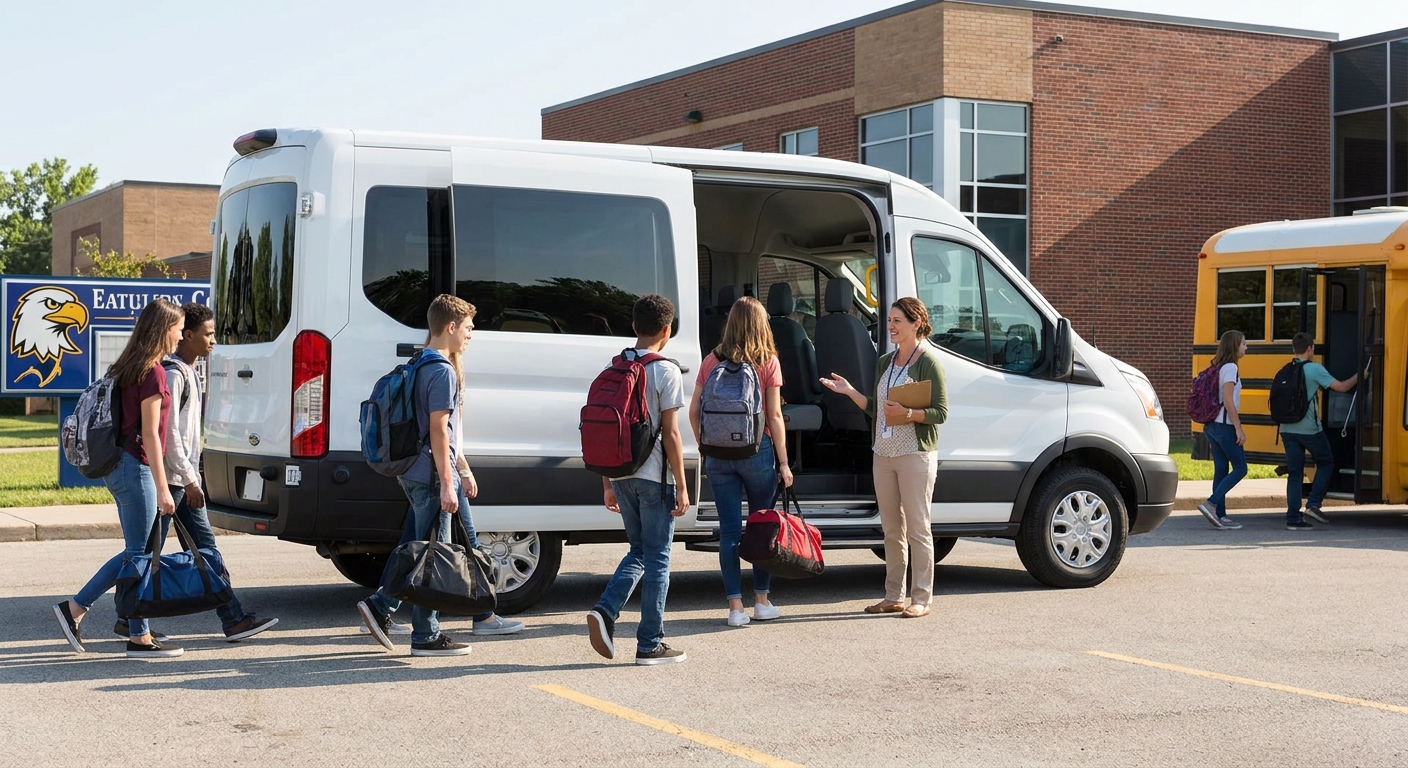
Most districts don't realize there's a gap until they're in it. A last-minute trip gets approved, and suddenly there aren't enough spots. Or a vehicle breaks down mid-season, and there's no backup. The truth is, your transportation strategy should be built around growth—not scrambling to keep up with it. The question isn't whether your fleet can handle today. It's whether it's ready for next year, and the year after that.
When Enrollment Climbs, So Does the Pressure
Student participation rates have been ticking upward for a while now. More kids are joining multiple activities. Coaches are fielding deeper rosters. Band directors are adding sections. And all of that translates into more bodies that need to be transported safely and on time. If your district bought its last activity bus when enrollment was lower, the math doesn't hold anymore. You're either leaving students behind, combining trips in ways that stretch schedules, or using vehicles that were never meant to carry the loads they're carrying now.
That's not just an inconvenience—it's a compliance risk. Overloading a vehicle or misclassifying its use can trigger liability issues, especially if something goes wrong. Districts need to map out current participation trends and forecast where things are headed. That means looking at registration data, talking to program coordinators, and planning around peak travel periods—not just average use.
Seating Capacity Is Only Half the Equation
Yes, you need enough seats. But cramming students into every available spot isn't the same as providing safe, compliant transportation. Modern mobile vehicles come with a range of configurations, and the right setup depends on what you're hauling and how far you're going. Short trips to local games? You can pack tighter. Multi-hour road trips to state competitions? You need legroom, climate control, and restroom breaks built into the plan.
Here's what actually matters when evaluating seating:
- Three-point seat belts for every passenger, not just lap belts
- Adjustable or removable seats that let you shift between passenger and cargo modes
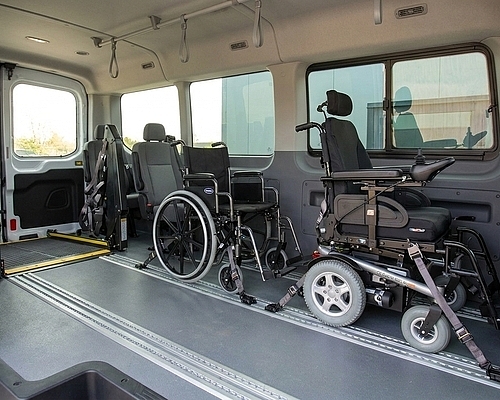
- ADA-compliant access for students with mobility needs
- Climate zones that keep the back rows from turning into saunas
- Adequate aisle width for emergency evacuations
Safety Standards Keep Moving Forward
The vehicles your district bought a decade ago met the standards at the time. But safety technology has advanced quickly, and older models don't have the features that are now standard—or in some cases, required. Backup cameras, automatic braking systems, electronic stability control—these aren't luxury add-ons anymore. They're baseline expectations, and they can make the difference between a close call and a serious accident.
If your fleet is aging out, you're not just facing higher maintenance costs. You're also operating without the protections that newer vehicles provide. And when an incident happens, the first question investigators and attorneys ask is whether the district was using up-to-date equipment. The answer to that question can determine liability, insurance coverage, and public trust.
Cargo Space Gets Ignored Until It Becomes a Problem
Student groups don't travel light. Football teams bring pads, helmets, and coolers. Band programs haul instruments, stands, and uniforms. Science olympiad teams need bins of project materials. And if your vehicle doesn't have the storage capacity to handle all of that, someone's either leaving gear behind or stuffing it into seats meant for students.
Smart storage solutions include:
- Underfloor cargo bays that keep equipment separate from passengers
- Overhead compartments for bags and personal items
- Tie-down points for securing larger equipment safely
- Weather-sealed compartments for trips in rain or snow
- Interior shelving that keeps smaller items organized and accessible
Fuel Costs Add Up Faster Than You Think
Older buses and vans weren't built with fuel efficiency in mind. They're heavy, they're slow to accelerate, and they burn through gas at a rate that would make any budget director wince. As your trip frequency increases, so does your fuel bill—and if you're running outdated equipment, you're paying more per mile than you should be.
Newer activity vehicles offer better mileage, cleaner emissions, and lower long-term operating costs. Some districts are even exploring electric or hybrid models, which can slash fuel expenses and qualify for state or federal incentives. The upfront cost is higher, sure. But when you factor in fuel, maintenance, and resale value, the numbers often favor an upgrade.
What the Operating Budget Actually Looks Like
We've seen districts put off fleet updates because they're focused on the sticker price. But total cost of ownership includes maintenance, breakdowns, insurance premiums, and the hidden costs of downtime. When a vehicle is out of service, you're either canceling trips or renting replacements—both of which eat into your budget and frustrate students and families.
Key cost factors to track:
- Average repair frequency and cost per vehicle
- Fuel consumption per trip and per season
- Insurance premiums based on vehicle age and safety features
- Driver training requirements for different vehicle classes
- Replacement part availability for older models
Maintenance Records Tell You What's Coming
If you're not tracking maintenance closely, you're flying blind. A vehicle that's in the shop every other month isn't just a nuisance—it's a warning sign. Age, mileage, and usage patterns all contribute to wear, and at some point, the cost of keeping an old vehicle running exceeds the value it provides. That's when replacement becomes the smarter financial move.
Most districts know their vehicles are due for an upgrade when breakdowns start happening during peak travel windows. That's the worst time to be making decisions under pressure. The better approach is to set replacement schedules based on data—mileage thresholds, age limits, and cost-per-mile calculations that trigger a review before things get critical. Understanding the differences between school activity vans and standard buses can help inform those decisions.
Flexibility Means You're Ready for What's Next
Student programs change. Enrollment shifts. Budgets fluctuate. The best activity vehicles are the ones that can adapt without requiring a full replacement every few years. Modular seating, expandable cargo systems, and multi-use configurations let you pivot as needs evolve. If your district is still running single-purpose vehicles that only work for one type of trip, you're limiting your options and wasting capacity.
What adaptability looks like in practice:
- Seats that fold flat or remove entirely to create cargo space
- Vehicles that meet multiple classifications so drivers don't need special licenses
- Interiors that clean easily after muddy games or messy trips
- Power outlets and USB ports for students on long hauls
- Wheelchair lifts or ramps that work for students and equipment alike
Districts That Plan Ahead Stay Ahead
We've worked with schools that waited until their fleet was falling apart before they started looking at replacements. By that point, they were stuck with limited options, tight timelines, and vehicles that didn't quite fit their needs. The districts that do it right are the ones that build transportation planning into their long-term capital strategy. They forecast growth, budget for replacements, and make decisions based on data—not desperation. Exploring vehicle platforms and reviewing customization options can provide insight into configurations that meet your district's evolving needs.
If your student groups are growing and your vehicles aren't keeping pace, now's the time to act. The alternative is waiting until something breaks—and by then, you're not making a strategic decision. You're making an emergency purchase. Plan for capacity before you hit it, and your district will be ready for whatever comes next.
Let’s Get Your Fleet Future-Ready
We know how quickly student needs can change, and having the right activity vehicles makes all the difference in keeping your programs running smoothly. Let’s work together to ensure your transportation is safe, efficient, and ready for whatever the next season brings. Give us a call at 877-824-8267 or request information today so we can help you plan the next step for your district’s fleet.
‹ Back
Recent Posts
-
When Is It Time to Replace Your Medical Transport Vehicle?
September 25, 2026
-

Can One Mobility Van Handle Every Transportation Need?
September 11, 2026
-
How Adult Daycare Vehicles Support Daily Transportation Needs
August 28, 2026
-

Are Crew Vans Being Used Beyond Job Sites?
August 14, 2026
-

Site by