By using our website, you agree to the use of cookies as described in our Cookie Policy


Can Wheelchair Vans Be Customized for Multiple Passengers?
Most people think wheelchair vans are built for one user and that's it. But accessible transportation has evolved way beyond single-rider setups. The short answer? Yes — wheelchair vans can absolutely be configured for multiple passengers. And we're not talking about cramming people in. We're talking about thoughtful, safe, compliant modifications that let families, organizations, and care teams move together without compromise.
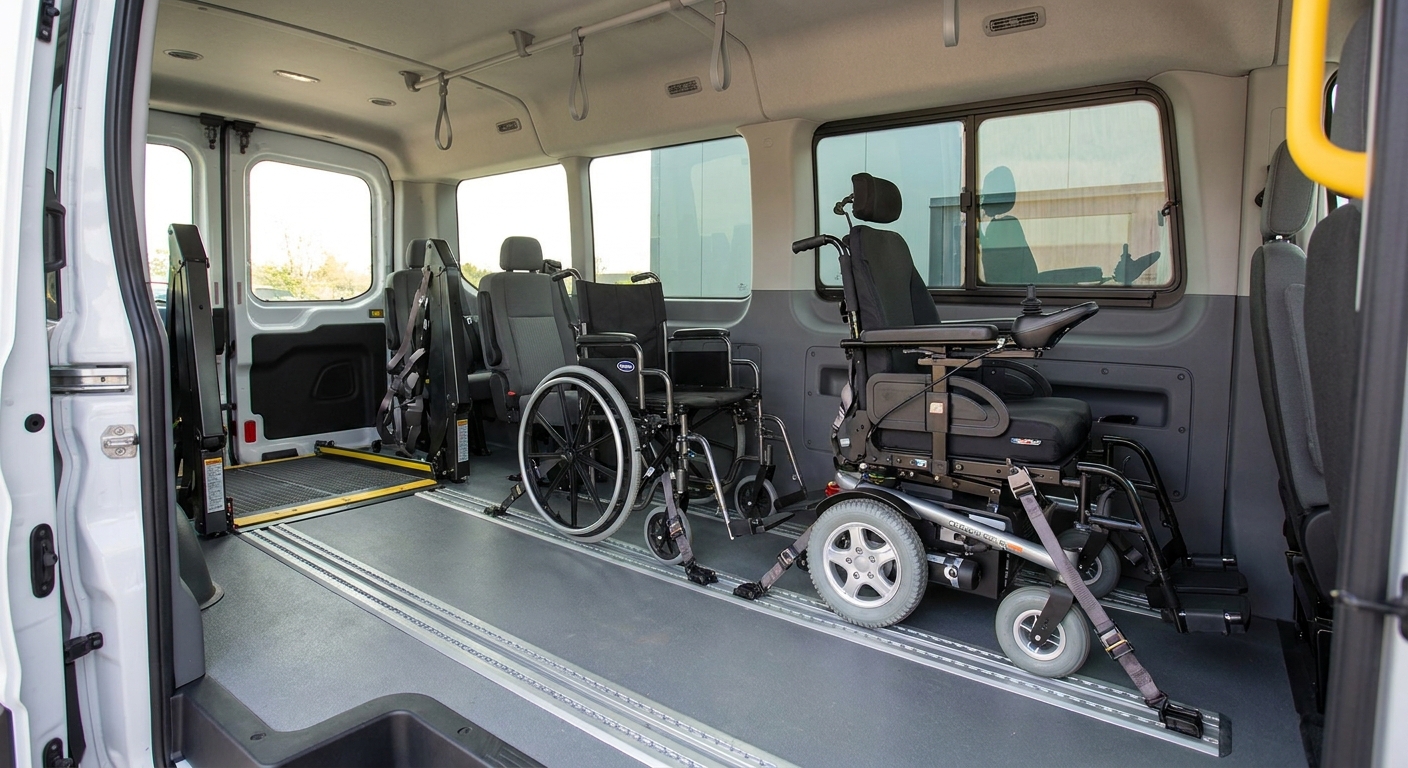
The question isn't whether it's possible. It's whether you're working with the right vehicle, the right converter, and a clear understanding of what your passengers actually need. Because a van that works for two wheelchair users plus a caregiver looks very different from one built for four chairs and no standing room. Get the specs wrong, and you're stuck with an expensive mistake on wheels.
What Multi-Passenger Customization Actually Looks Like
Customizing a wheelchair van for multiple riders means rethinking the entire interior. It's not just about adding more tie-downs. You're reconfiguring the floor layout, adjusting entry points, and balancing accessibility with usable space. Depending on the base vehicle, you can install two, three, or even four wheelchair positions — each with its own securement system and enough clearance to maneuver safely.
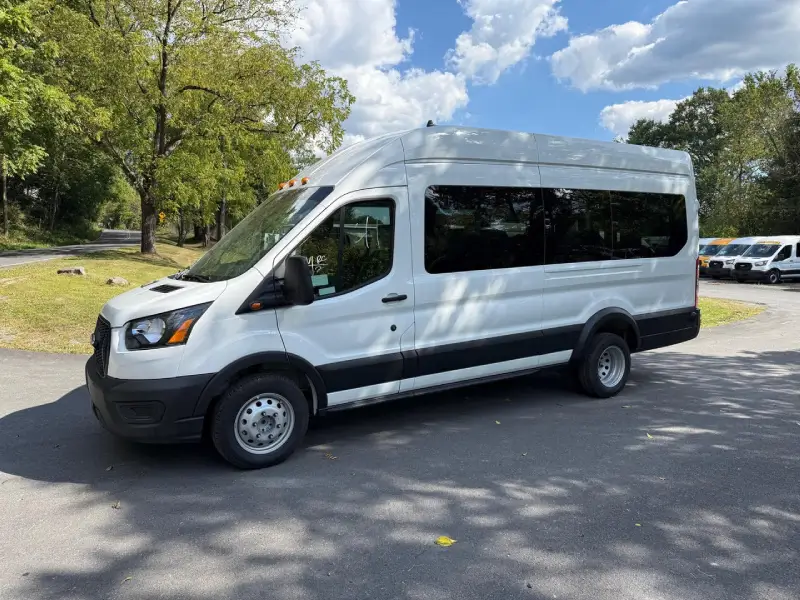
Full-size platforms like the Ford Transit, Ram ProMaster, or Mercedes Sprinter give you the most flexibility. These vans offer standing height, wide floor plans, and the structural capacity to handle multiple conversions without feeling claustruck. Minivans can work too, but space gets tight fast. A Chrysler Pacifica or Toyota Sienna might handle two chairs comfortably, but try adding a third and you're sacrificing legroom, storage, or both.
The Modifications That Make It Work
If you want a van that serves more than one wheelchair user, here's what goes into it. These aren't add-ons — they're foundational changes that dictate how the vehicle functions day to day.
- Floor track systems that allow multiple securement points without permanent installation
- Removable or flip-fold seating so you can switch between wheelchair positions and ambulatory passengers as needed
- Side-entry or rear-entry ramps, sometimes both, depending on how many users need independent boarding
- Reinforced tie-down anchors rated for the combined weight and movement of multiple chairs
- Extended ceiling clearance or lowered floors to accommodate taller wheelchairs and power chairs
Who Actually Needs This Setup
Multi-passenger wheelchair vans aren't just for large families. They're critical infrastructure for group homes, adult day programs, schools with special needs transportation, and community transit services. Any time you're moving more than one wheelchair user at once, a properly customized van becomes the difference between independence and logistical chaos.
Families with two wheelchair users benefit the most. Instead of coordinating separate rides or leaving someone behind, everyone travels together. Caregivers get a seat. Medical equipment fits. And no one's crammed into a vehicle that wasn't designed for their needs. It's not luxury — it's basic functionality done right.
Configuration Options You'll Need to Decide On
Every multi-passenger van is different because every user's needs are different. Here's where the choices start piling up:
- How many wheelchair positions do you need, and do they all need to face forward?
- Will you need room for caregivers, or is every seat going to a mobility device?
- Do you want fixed seating or modular layouts that can shift based on the trip?
- Is rear entry better for your loading situation, or does side entry make more sense?
- What's the largest wheelchair or scooter you'll be transporting, and does the door width support it?
Size and Vehicle Type Matter More Than You Think
Not every van can handle a multi-passenger conversion. Minivans max out quickly. Full-size vans give you room to breathe, but they also cost more upfront and require commercial-grade modifications. If you're planning for three or more wheelchair users, you're almost certainly looking at a full-size platform. Anything smaller and you're fighting physics.
And it's not just about length. Ceiling height, door width, floor strength, and wheelbase all play a role in how the conversion holds up over time. A van that's technically big enough but structurally marginal will start showing wear within a year. That's why working with a certified converter — not a general upfitter — is non-negotiable.
What You'll Pay and What Affects the Price
Customizing for multiple passengers costs more than a standard single-user conversion. That's just math. You're adding more securement hardware, more seating flexibility, potentially more entry points, and definitely more labor. Expect to pay anywhere from mid-five figures to low-six figures depending on the base vehicle and complexity of the build.
- Base vehicle cost, which varies widely between used minivans and new full-size commercial vans
- Number of wheelchair positions and whether they require powered or manual securement
- Type of entry system — ramps are cheaper than lifts, but lifts handle heavier loads
- Additional features like climate control upgrades, intercom systems, or backup cameras
- Certification level and whether the converter is NMEDA-compliant, which affects resale and warranty
Funding and Grants Can Offset the Cost
We're not going to pretend this is cheap. But there are ways to make it more manageable. Depending on your situation, you may qualify for grants, low-interest loans, or reimbursement programs through Medicaid, veterans' services, or nonprofit foundations. Some states offer vehicle modification assistance for families with multiple disabled members. It's worth digging into what's available before you assume it's out of reach.
Organizations and care facilities often have access to different funding streams — fleet grants, ADA compliance budgets, or donor-funded equipment programs. If you're buying on behalf of a nonprofit or school, talk to your finance team before you talk to a dealer. The money might already be there.
Where Most Buyers Go Wrong
Rushing the build is the biggest mistake. A multi-passenger conversion isn't something you spec out over a weekend. You need to know exact wheelchair dimensions, user transfer abilities, caregiver requirements, and how the van will be used day to day. Miss one detail and you end up with a layout that doesn't work.
- Underestimating door width and ending up with a ramp that's too narrow for power chairs
- Choosing a minivan when a full-size was the only real option, then regretting it six months in
- Skipping the test ride and discovering too late that the seating layout doesn't fit your routine
- Going with the cheapest converter instead of a certified one, then facing safety and warranty issues
- Failing to plan for growth — kids get bigger, chairs get heavier, needs change
Professional Converters Know What You Don't
This isn't a DIY project. Multi-passenger wheelchair vans require engineering, crash testing, and compliance with federal motor vehicle safety standards. A certified mobility converter brings all of that to the table. They'll walk you through layout options, explain what's realistic for your budget, and build something that actually works — not just on paper, but in real-world use.
We've seen too many families try to shortcut this process. They buy a used van with a questionable conversion history, or they hire a local shop that's never done a multi-user build. It ends poorly. Either the van fails inspection, the modifications don't hold up, or someone gets hurt because the securement system wasn't installed correctly. Don't take that risk.
Making It Work for the Long Haul
A well-built multi-passenger wheelchair van isn't a short-term solution. It's a long-term investment in mobility, independence, and quality of life. But only if you treat it that way. That means regular maintenance, proper use of securement systems, and honest communication with your converter about what's working and what's not.
We help families and organizations think through these decisions every day. It's not just about fitting more people in a van. It's about creating a safe, dignified, reliable way for everyone to move through the world together. And when it's done right, the difference is impossible to miss.
Let's Build the Right Solution Together
Choosing the right multi-passenger wheelchair van is a big decision, but you don't have to figure it out alone. We're here to help you navigate every option and make sure your next van truly fits your needs—now and in the future. If you're ready to talk through your goals or want expert advice on your next steps, call us at 877-824-8267 or request information and let’s get started on a solution that works for everyone who rides with you.
‹ Back
Recent Posts
-

Can One Mobility Van Handle Every Transportation Need?
September 11, 2026
-
How Adult Daycare Vehicles Support Daily Transportation Needs
August 28, 2026
-

Are Crew Vans Being Used Beyond Job Sites?
August 14, 2026
-
-


Site by