By using our website, you agree to the use of cookies as described in our Cookie Policy


Should You Choose a Custom Wheelchair Van or a Factory Model?
Most people shopping for wheelchair vans get stuck on one question — custom or factory. The difference isn't just about how the van looks. It's about what you need it to do, how much flexibility you're willing to pay for, and whether a standard build can actually handle your reality. Factory models roll off the line fast and predictable. Custom builds take time but deliver exactly what you asked for. Neither option is universally better — it depends on who's using the van and what they're dealing with every single day.
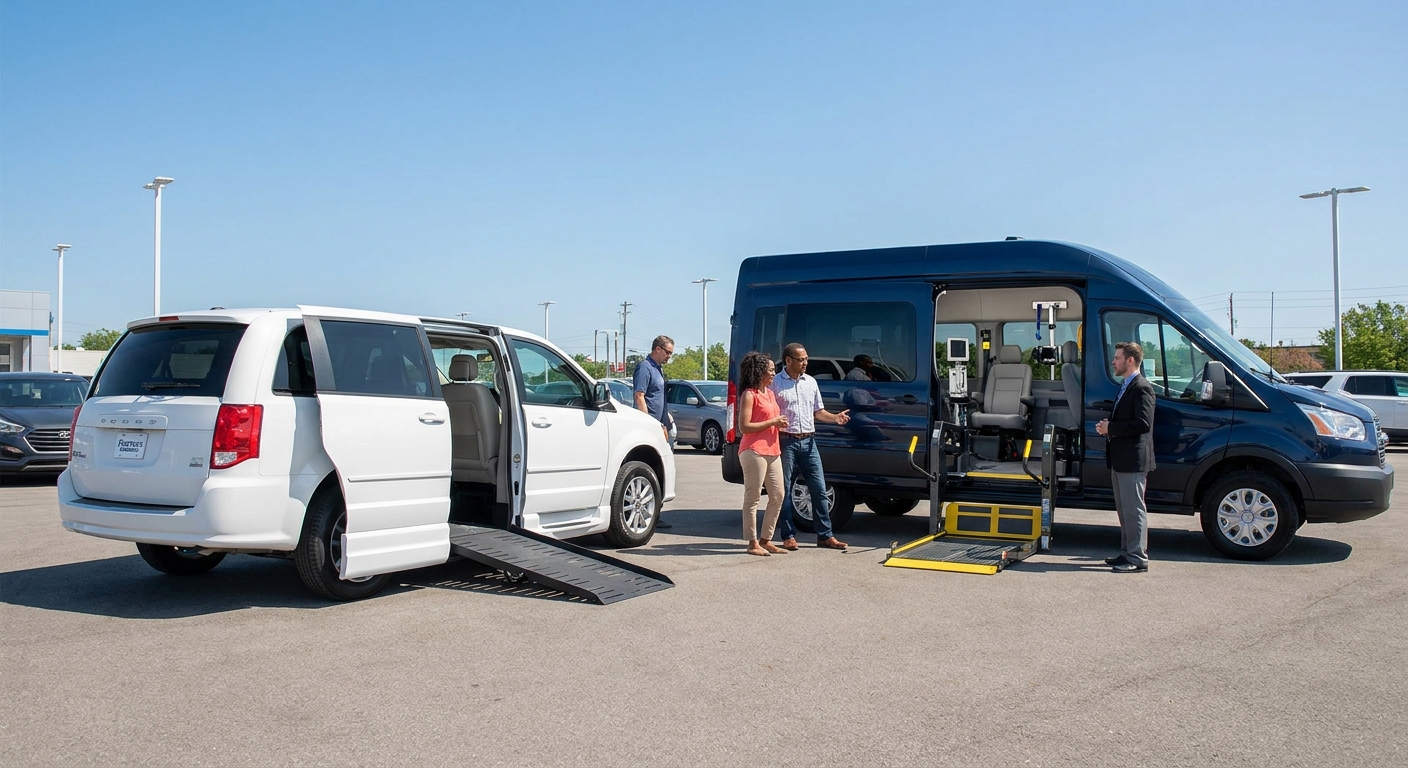
We've watched buyers wrestle with this choice hundreds of times. Some regret going too basic. Others wish they'd saved money and stuck with standard. The trick is knowing which features matter to your situation and which ones just sound nice in a brochure. Let's break down what actually separates these two paths.
Factory Builds Move Fast and Follow the Rulebook
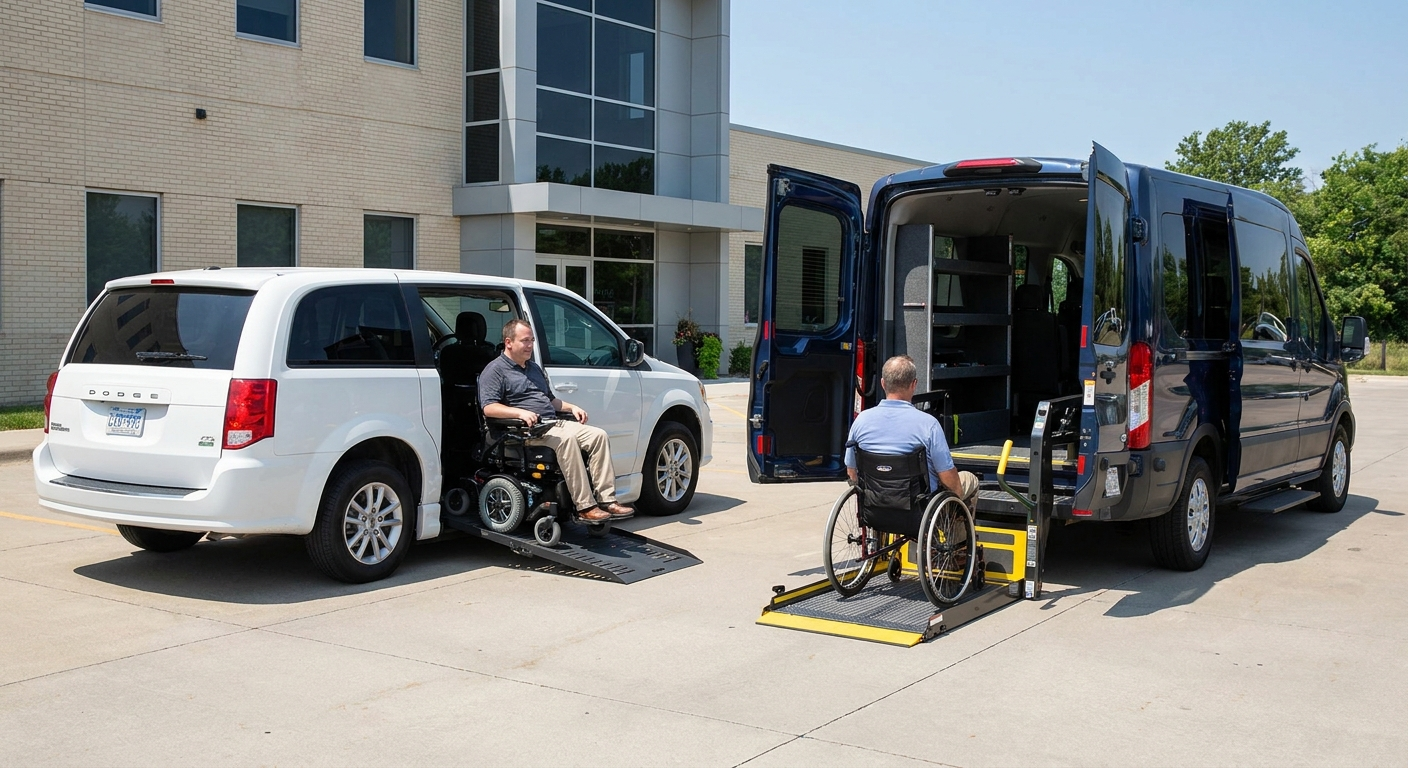
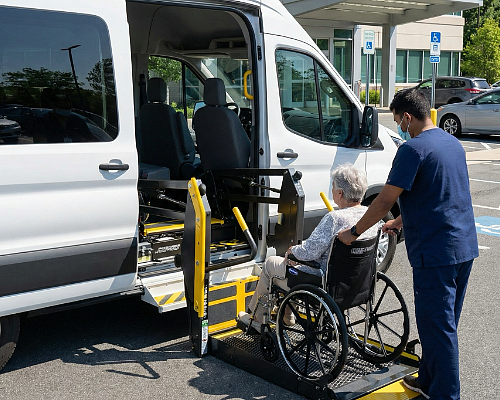
Factory wheelchair vans come pre-converted by manufacturers or certified partners before they hit dealer lots. These vehicles are built according to strict accessibility standards, which means safety and quality control are baked in from the start. You get a warranty that covers both the van itself and the mobility modifications — something that matters when repairs come up down the road.
These models are easier to find, test drive, and purchase. Brands like Dodge, Chrysler, Toyota, and Honda dominate the space, and their conversions typically include side-entry or rear-entry ramps, lowered floors, and removable seating. Because they're produced in volume, availability is solid. You won't be waiting months for someone to design and install your setup. Many buyers start by exploring vehicle platforms that accommodate standard conversions, which helps narrow down the options early in the search process.
Custom Vans Are Built Around What You Actually Need
Custom wheelchair vans are tailored to the user. Not just adjusted — rebuilt. This can mean minor tweaks like specialized seating or hand controls, or it can mean overhauling the entire interior for a power chair that doesn't fit standard dimensions. Maybe you need medical equipment mounted in a specific spot. Maybe you've got a complex restraint system that factory models don't accommodate. That's where custom work earns its place.
The process involves working directly with mobility specialists. Sometimes occupational therapists get involved to ensure the final layout supports both safety and daily function. It's collaborative, detailed, and slow. But when the van arrives, it's yours in a way no mass-produced model can match. For organizations transporting patients regularly, understanding how medical transport vans keep patients comfortable becomes critical when deciding on customization depth.
What Factory Models Get Right
Factory vans shine when speed and simplicity matter. You're not waiting for fabrication, and you're not navigating a dozen design decisions. The purchasing process is straightforward, and resale value tends to hold because the conversion is from a recognized brand. Warranties are comprehensive, covering both mechanical and accessibility components.
Here's where factory models pull ahead:
- Quick turnaround from selection to delivery
- Established safety and quality benchmarks
- Full warranties on vehicle and conversion work
- Higher resale potential due to brand recognition
Where Factory Vans Fall Short
The standardization that makes factory models efficient also limits them. If your mobility needs don't fit the template, you're out of luck. Customization options are minimal. The ramp goes where it goes. The seating configuration is what it is. And if your wheelchair is oversized, non-standard, or requires unique positioning, a factory build might not cut it.
Here's what factory models can't always handle:
- Limited flexibility in design and layout
- Inability to accommodate complex or unusual mobility equipment
- Standard features that may not align with individual preferences
Custom Vans Deliver Precision
Custom builds are for people who can't compromise. If your wheelchair doesn't fit standard dimensions, or you need specialized tech integrated into the van, custom is the only real option. These vans are built to exact specifications, which means you control the layout, the materials, the features, and the finish. It's not just about accessibility — it's about making the vehicle work for you, not the other way around. For buyers considering extensive modifications, learning about mobile vehicle customization options provides a foundation for making informed decisions.
What custom builds offer:
- Tailored design that matches your specific mobility requirements
- Compatibility with specialized or oversized equipment
- Greater control over features, technology, and interior layout
The Trade-Offs That Come With Custom
Custom vans take longer to build. You're looking at weeks or months, not days. Costs run higher because every modification is bespoke. Warranty coverage varies depending on who does the work and what parts they use. And resale? That's unpredictable. A van built for your exact needs might not appeal to the next buyer, which can hurt value when you're ready to sell.
Here's what custom builds demand:
- Extended timelines for design, fabrication, and installation
- Higher upfront investment due to individualized modifications
- Variable warranty terms depending on installer and components
- Uncertain resale value tied to unique customizations
The Real Questions Worth Asking
Choosing between custom and factory isn't about which one sounds better. It's about which one solves your problem. Start by assessing your mobility needs honestly. Can a factory model handle your wheelchair, your equipment, and your daily routine? Or do you need something built from scratch? Understanding what to know before you buy a wheelchair van helps clarify these priorities before committing to either path.
Budget matters, but so does timeline. If you need a van now, custom might not be realistic. If you can wait and want something dialed in perfectly, the investment makes sense. Think about resale too — especially if you anticipate upgrading in a few years. Factory models tend to move faster on the used market. Some buyers explore financing early to understand what budget range supports their preferred build type.
Making the Call Without Second-Guessing Later
We've seen buyers rush into factory models only to realize the van doesn't fit their chair properly. We've also watched people over-customize and blow their budget on features they never use. The right choice depends on honest self-assessment and clear priorities. Test drive both types if possible. Talk to mobility experts who've worked with people in similar situations. Don't assume the cheaper option saves money if it doesn't actually work. Many prospective buyers find it helpful to review little design choices that make a big difference in mobility vans before finalizing their decision.
Your wheelchair van isn't just transportation. It's independence, access, and quality of life. Whether you go factory or custom, make sure it fits your reality — not someone else's checklist.
Let’s Find the Right Fit Together
Choosing between a custom or factory wheelchair van is a big decision, but you don’t have to figure it out alone. We’re here to help you weigh your options and make sure your next ride truly supports your lifestyle. If you’re ready to talk through your needs or want expert advice, give us a call at 877-824-8267. When you’re ready to take the next step, request information and let’s get started on a solution that works for you.
‹ Back
Recent Posts
-
Should You Choose a Custom Wheelchair Van or a Factory Model?
October 9, 2026
-
When Is It Time to Replace Your Medical Transport Vehicle?
September 25, 2026
-

Can One Mobility Van Handle Every Transportation Need?
September 11, 2026
-
How Adult Daycare Vehicles Support Daily Transportation Needs
August 28, 2026
-

Are Crew Vans Being Used Beyond Job Sites?
August 14, 2026

Site by