By using our website, you agree to the use of cookies as described in our Cookie Policy


Are Crew Vans Being Used Beyond Job Sites?
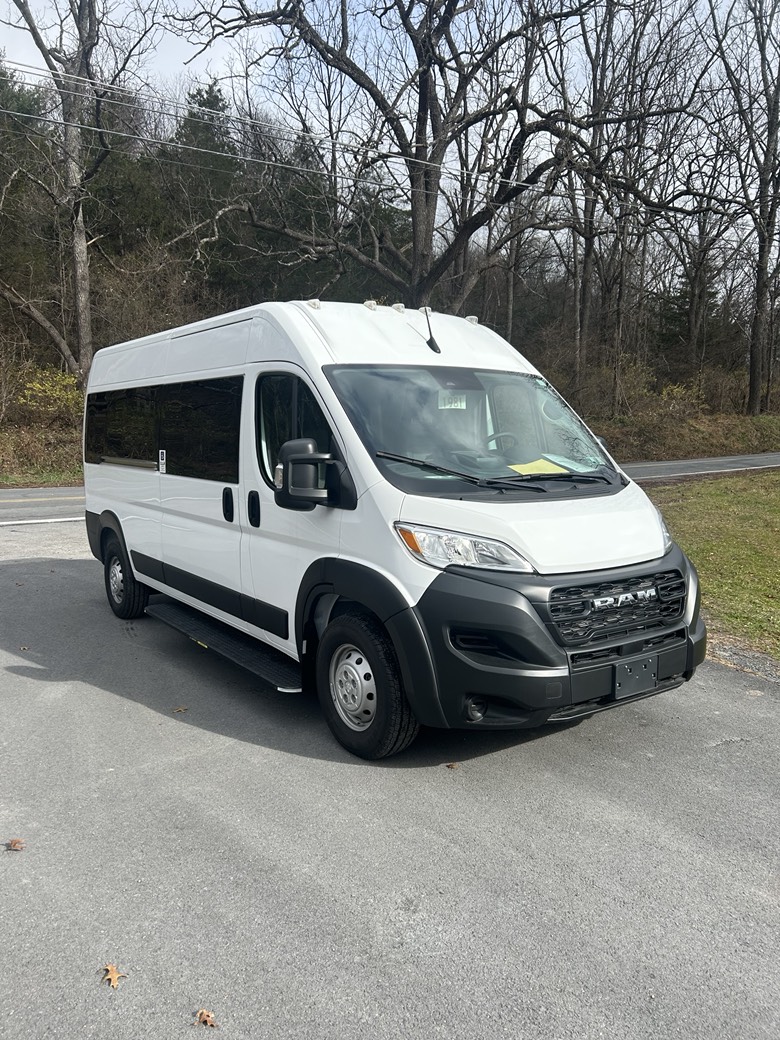
Crew vans were supposed to be simple. Load up your team, haul your gear, drive to the site, get to work. That's the playbook. But somewhere along the way, business owners started seeing what the rest of us missed — these things are built tough, hold a lot, and don't ask permission to do something new. Now you've got vans showing up in places they were never designed for. And the IRS? They're watching how you classify them.

So if you're running one of these rigs for something other than hauling drywall, that's fine. Just know that how you use it matters. What you write off matters. And whether you can prove that use when someone asks? That matters most of all.
What a Crew Van Was Built to Do
These vehicles were never complicated. Seats in the front, cargo room in the back, and enough space in between to fit a crew and their tools without playing Tetris every morning. Contractors loved them because they didn't have to choose between people and equipment. Plumbers, landscapers, electricians — they all leaned on crew vans for the same reason. Durable. Reliable. Built to take a beating and keep moving.
That hasn't changed. But what has changed is who's buying them and what they're doing once the keys are in hand.
Where These Vans Are Showing Up Now
It didn't take long for people outside the trades to realize crew vans could do more than shuttle lumber. The bones were already there — you just had to see past the badge and the back doors. Now they're everywhere, doing jobs nobody predicted ten years ago.
Here's where we're seeing them pop up:
- Rolling workspaces: Freelancers and consultants are kitting them out with desks, internet, and power setups so they can work from anywhere without renting office space.
- Group transport: Hotels and venues use them to move guests and attendees in bulk, especially when sedans won't cut it and buses are overkill.
- Road trip rigs: Families and adventurers are converting them into camper-style setups with sleeping areas, storage, and cooking gear for long hauls off the grid.
- Service delivery vehicles: Nonprofits and outreach teams load them with supplies, volunteers, and medical equipment to bring resources directly to communities.
- Last-mile logistics: E-commerce companies and local shops are using them to move packages and products faster than traditional delivery fleets.
Why They Work Outside the Trades
Crew vans aren't precious. You can rip out seats, bolt in shelving, wire up electronics, and flip the interior to match whatever you need that week. That kind of flexibility doesn't exist in most vehicles. Throw in a solid engine, decent fuel economy for the size, and the ability to handle rough roads or tight city streets, and you've got something that adapts without complaining.
It's not about reinventing the wheel. It's about recognizing that the wheel already rolls in more directions than the sticker on the windshield suggested. Understanding the range of vehicle platforms available helps you match the right setup to your specific needs.
The Van Life Boom Changed the Conversation
Social media lit a fire under this one. People started posting about living full-time in converted vans, traveling the country, working remotely, and ditching rent altogether. Crew vans became a go-to option because they offered more room than a cargo van and more hauling capacity than a typical passenger setup. Add solar panels, a bed platform, and some clever storage, and suddenly you've got a mobile home that doesn't need a campground.
It's not just Instagram hype, either. Real people are doing this long-term, and crew vans are holding up under the pressure. Options like the Ford Transit and Ram ProMaster have become popular choices for these conversions due to their spacious interiors and customization potential.
What You Need to Think About First
Buying a van and slapping a mattress in the back isn't a business strategy. If you're writing it off as a business expense, the IRS expects you to prove it was used for business. If you're converting it into something else entirely, your insurance and registration requirements may shift. And if you're modifying the interior or electrical systems, you'd better have professionals doing the work — not your cousin who watched a YouTube video.
Here's what to lock down before you start:
- Confirm your insurance covers the new use case, especially if it's no longer a standard work vehicle
- Check local and state regulations on vehicle modifications and classifications
- Keep receipts and documentation for every modification or conversion cost
- Separate personal use from business use if you plan to claim deductions
- Work with a tax advisor if the van's purpose crosses multiple categories
The Tax Side Gets Messy Fast
You can't just call it a business vehicle and write off everything. The IRS has rules. If the van is used exclusively for business, you're in good shape. If it's also your weekend adventure rig or your daily driver, you'll need to allocate expenses based on actual business use. That means tracking mileage, keeping logs, and being able to defend your numbers if someone asks.
Depreciation is another layer. Depending on the van's weight and purpose, you may qualify for Section 179 deductions or bonus depreciation. But those benefits disappear the moment personal use creeps in without documentation. Exploring financing options early can also help you structure your purchase in the most tax-advantageous way.
Where People Screw This Up
Most mistakes come from assumptions. You assume the van counts as a business expense because you bought it with business funds. You assume your modifications are deductible because they make the vehicle more useful. You assume nobody will ask how often you actually use it for work versus everything else.
Here's what we see go wrong most often:
- No mileage logs: If you can't prove business use, the IRS won't take your word for it.
- Mixing personal and business: Using the van for both without separating expenses is a fast way to lose deductions.
- Ignoring weight class rules: Heavier vans qualify for different tax treatment, and missing that distinction costs money.
- Skipping proper titles and registration: If the van's purpose changes, your paperwork might need to change too.
- Assuming all modifications are deductible: Personal comfort upgrades don't count, even if they make long drives easier.
When Professional Help Pays Off
If your crew van is doing double duty — or if you've converted it into something the DMV doesn't have a clean category for — bring in someone who knows the tax code. They'll help you allocate costs correctly, maximize legitimate deductions, and avoid the kind of sloppiness that invites audits. It's not about fear. It's about precision.
The right advisor will also help you structure your use so you're not leaving money on the table or overpaying because you didn't know a rule existed. Learning more about customization options can also help you plan modifications that serve legitimate business purposes while maintaining proper documentation.
Built to Move, Built to Adapt
Crew vans aren't reinventing themselves — they're just being used the way they were always capable of being used. Hauling people, hauling cargo, covering ground, and taking on whatever role the owner needs filled. The shift isn't in the vehicle. It's in who's behind the wheel and what they're building with it. Just make sure you can back up how you're using it when tax season rolls around, because versatility is great until it's time to prove where the money went.
Let’s Get Your Crew Van Working Smarter
We know how important it is to get the most out of your crew van, whether you’re expanding your business or exploring new ways to put it to work. If you’re ready to talk options, clarify tax questions, or want expert advice on customizing your next van, let’s connect. Call us at 877-824-8267 or request information and we’ll help you move forward with confidence.
‹ Back
Recent Posts
-
When Is It Time to Replace Your Medical Transport Vehicle?
September 25, 2026
-

Can One Mobility Van Handle Every Transportation Need?
September 11, 2026
-

How Adult Daycare Vehicles Support Daily Transportation Needs
August 28, 2026
-

Are Crew Vans Being Used Beyond Job Sites?
August 14, 2026
-

Site by