By using our website, you agree to the use of cookies as described in our Cookie Policy


When Is It Time to Replace Your Medical Transport Vehicle?
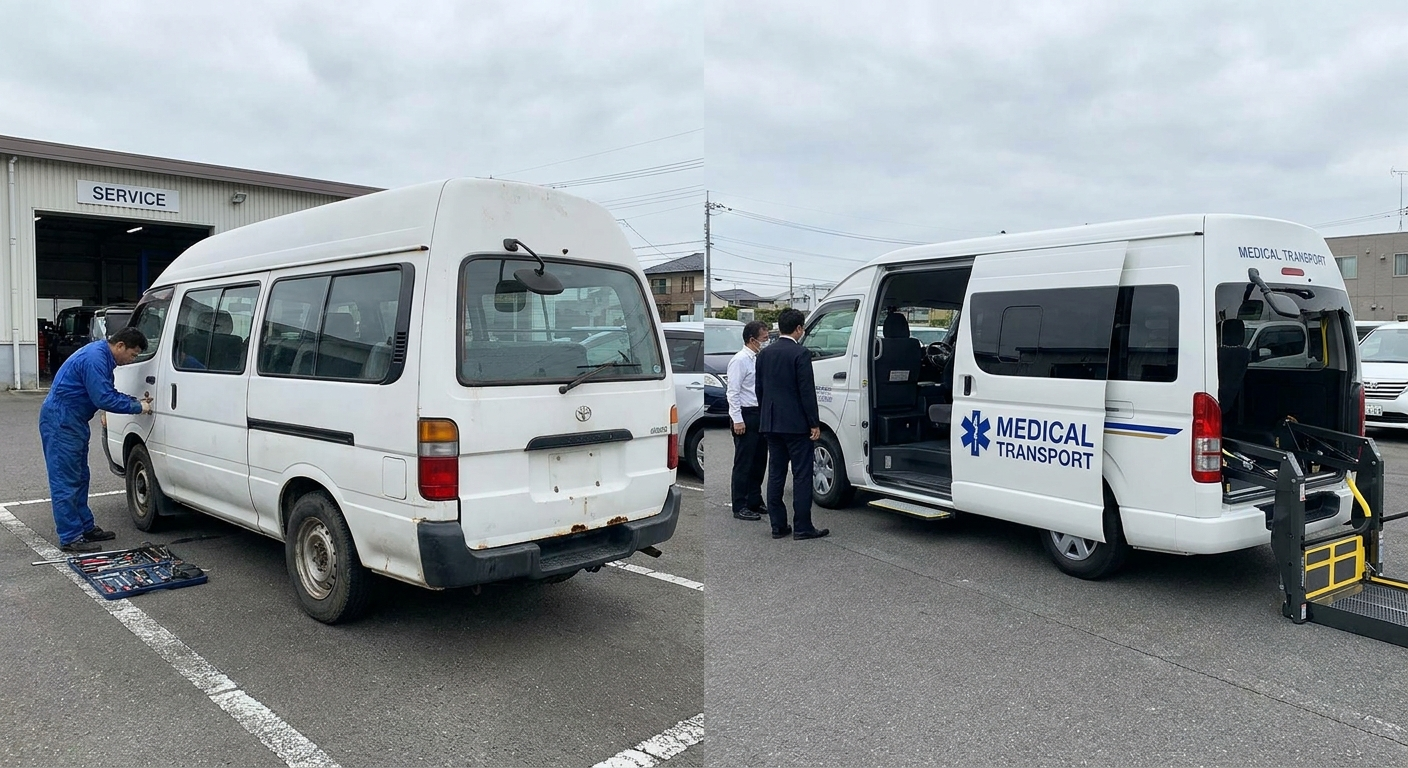
Most fleet operators think replacing a vehicle is about hitting a certain mileage marker or waiting until something breaks beyond repair. But the real decision is more nuanced — and if you're not paying attention to the right signals, you're burning money and risking patient safety. Medical transport isn't just about getting from point A to point B. It's about reliability under pressure, regulatory compliance, and the reputation you've built in your community.
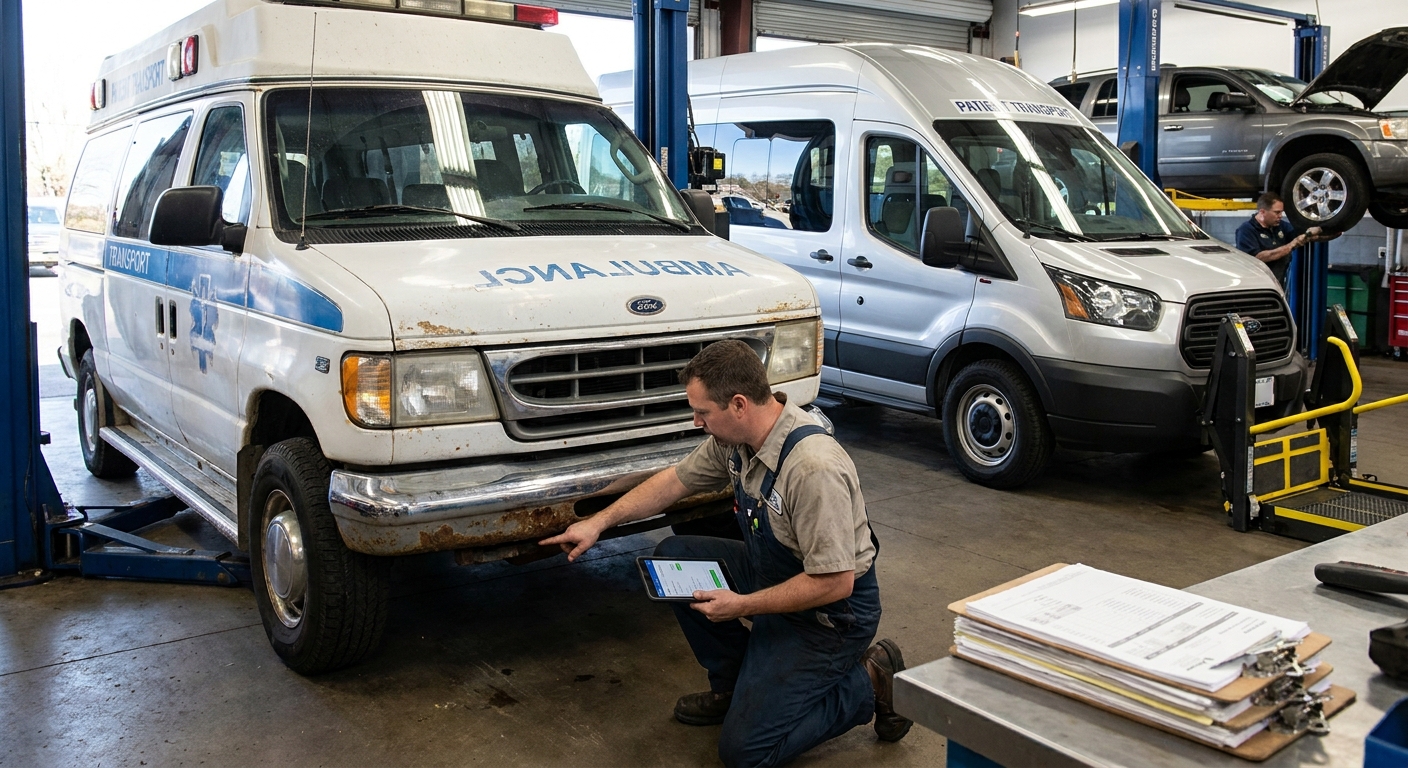
So here's what matters. If you're running a vehicle that's costing more to fix than it's worth, or if it's falling behind on safety standards, that's not a maintenance issue — that's a liability. Every mile should be backed by confidence. Every service call should be documented. And every replacement decision should be rooted in what the vehicle can still deliver — not just what it used to do when it rolled off the lot.
Repair Bills Start to Pile Up
When you're spending more on fixing problems than you would on a monthly payment for something newer, the math gets simple. Older vehicles break down more often, and parts get harder to find. We're not talking about routine oil changes or tire rotations — we're talking about transmission work, engine overhauls, and electrical gremlins that never quite go away.
Track every dollar you spend on each vehicle. If the annual repair total starts creeping past 50% of what a replacement would cost, you're in replacement territory. And if you're constantly pulling vehicles out of rotation for service? That's revenue you're not earning and patients you're not serving.
Downtime Becomes the Norm
A vehicle in the shop is a vehicle that's not working. In medical transport, that's more than an inconvenience — it's a gap in care. If you're juggling backup units more often than your primary fleet, or if dispatch is constantly rerouting because a vehicle's out of commission, you've got a reliability problem.
Breakdowns don't just cost you repair fees. They cost you credibility with facilities, missed appointments, and strain on your other vehicles that have to pick up the slack. When downtime becomes predictable, replacement isn't optional anymore.
Safety Tech Is Missing or Outdated
Modern medical transport vans come standard with features that weren't even available a decade ago. We're talking about:
- Electronic stability control that prevents rollovers
- Advanced airbag systems designed for patient compartments
- Backup cameras and collision warning systems
- Improved patient restraint systems that meet current crash standards
- Enhanced suspension that reduces patient discomfort during transport
If your vehicle doesn't have these features, you're not just behind the curve — you're exposing yourself to risk. Retrofitting older vehicles rarely makes financial sense, and in some cases, it's not even possible. Safety isn't negotiable, and the gap between old and new tech is wider than most operators realize.
Compliance Becomes a Moving Target
Regulations don't stand still, and neither should your fleet. Emission standards tighten. Accessibility requirements evolve. Safety certifications get updated. If your vehicle no longer meets local, state, or federal standards — or if it's grandfathered in but you're operating in jurisdictions that won't accept it — you're one inspection away from being grounded.
Bringing an older vehicle up to code can be expensive, and sometimes it's just not feasible. Check your compliance status annually. If you're facing costly retrofits or repeated inspection failures, replacement is the smarter move.
Mileage and Age Tell a Story
There's no magic number, but context matters. A vehicle with 150,000 miles that's been meticulously maintained might have life left. One with 200,000 miles and a history of hard use? That's a time bomb. Age compounds the issue — rubber seals dry out, electronics degrade, and rust takes hold even if the odometer looks reasonable.
Most operators start planning replacements when vehicles hit the 7- to 10-year mark or cross 200,000 miles. But don't treat those as absolutes. Look at the total picture: service history, condition, and how hard the vehicle's been worked. If it's showing its age in multiple ways, trust the trend.
Patient Experience Takes a Hit
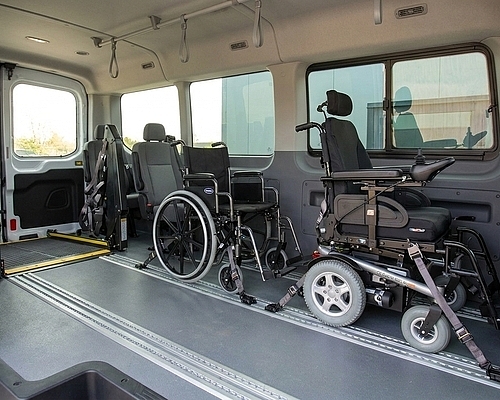
Worn-out interiors, malfunctioning lifts, inconsistent climate control — these aren't minor annoyances. They're signs that your vehicle is no longer delivering the experience your patients deserve. Medical transport is already stressful for many people. If your vehicle adds to that stress instead of easing it, you've got a problem.
Newer vehicles offer:
- Smoother rides with updated suspension systems
- Quieter cabins that reduce patient anxiety
- More reliable accessibility equipment with fewer breakdowns
- Better climate control for year-round comfort
- Modern interiors that feel clean and professional
If you're hearing complaints — or worse, losing contracts because of vehicle condition — it's time to upgrade.
Your Fleet Reflects Your Brand
First impressions matter, especially in healthcare. A beat-up vehicle with peeling paint and worn seats sends a message, and it's not one you want to send. Facilities, patients, and partners all judge your operation by what they see. If your fleet looks tired, they'll assume your service is too.
Competitors with newer vehicles will win bids you should be landing. Referrals dry up when your reputation takes a hit. Investing in a modern fleet isn't vanity — it's strategy. And the ROI shows up in contract renewals, referrals, and reduced marketing spend. Operators can explore vehicle platforms that meet both operational needs and professional appearance standards.
When the Numbers Say Move On
Replacement isn't emotional, it's operational. Run the numbers. Compare what you're spending to keep a vehicle alive against what you'd pay for something dependable. Factor in downtime, lost business, and the risk of catastrophic failure mid-route. Most of the time, the math points one direction.
We've worked with operators who squeezed every last mile out of their vehicles — and we've seen the fallout when those vehicles finally quit at the worst possible time. The ones who plan ahead, budget for replacements, and retire vehicles before they become liabilities? They're the ones still running strong when others are scrambling. Those looking at Ford Transit options or Ram ProMaster models can find purpose-built solutions ready for immediate deployment. At BusinessCapital.com, we help medical transport operators secure the funding they need to upgrade their fleets without the cash flow crunch — fast approvals, flexible terms, and zero equity required. Call 877-400-0297 or apply online today.
Let’s Keep Your Fleet Moving Forward
We know how much your community relies on your medical transport fleet, and staying ahead of breakdowns and compliance issues is key to your reputation and bottom line. If you’re ready to explore your options for upgrading, let’s talk about how we can help you secure the right vehicles and financing for your needs. Call us at 877-824-8267 or request information to get started on a solution that keeps your operation running strong.
‹ Back
Recent Posts
-
When Is It Time to Replace Your Medical Transport Vehicle?
September 25, 2026
-

Can One Mobility Van Handle Every Transportation Need?
September 11, 2026
-
How Adult Daycare Vehicles Support Daily Transportation Needs
August 28, 2026
-

Are Crew Vans Being Used Beyond Job Sites?
August 14, 2026
-

Site by