By using our website, you agree to the use of cookies as described in our Cookie Policy


Can Medical Shuttle Vans Handle Long-Distance Trips Comfortably?
Most people assume medical shuttle vans are built for short hops across town. Quick runs to dialysis. A trip to the specialist. But push those same vehicles into multi-hour territory and questions start to surface. Can the suspension hold up? Will passengers stay comfortable? And what happens when someone needs a break but the schedule says otherwise?
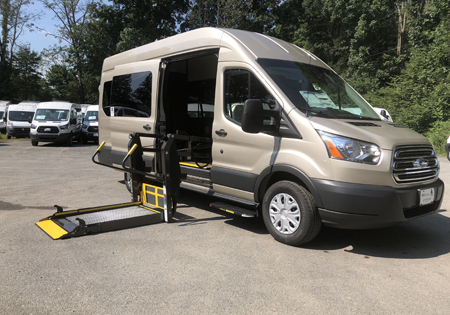
Here's what matters. Distance doesn't break a well-designed shuttle—it exposes the weak ones. The vans that handle long hauls aren't just bigger or fancier. They're engineered with real needs in mind, not just checklists. If you're counting on one to move a patient across state lines or through rural stretches, you better know what separates the capable from the barely adequate.
Built Different from the Ground Up
Medical shuttles aren't passenger vans with a few extra bolts. They're purpose-built for stability, space, and access. That means reinforced floors for securement systems, wider doorways for mobility devices, and suspensions that absorb road wear without rattling passengers. The frame matters. The clearance matters. And when you're spending hours inside one, the layout matters more than most people think.
Standard vans cramp up fast. Medical shuttles give room to breathe—literally. Whether it's a wheelchair, a stretcher, or just someone who needs leg space after surgery, the interior has to flex without feeling like a cargo hold. The best ones let you move around, adjust positioning, and stay seated without feeling trapped. That's not luxury. That's baseline.
Climate Systems Do More Than Cool the Air
Temperature control sounds boring until you're three hours into a summer drive with no relief. Medical passengers aren't always able to regulate body heat the way healthy travelers do. Medications mess with circulation. Anxiety cranks up perspiration. And older patients? They're more sensitive to swings in either direction.
Quality shuttles run dual-zone HVAC systems that adjust without blasting everyone in the back. Airflow stays consistent. Humidity gets managed. And when outside temps hit extremes, the cabin doesn't lag behind. Cheap climate systems cycle on and off—good ones maintain steady comfort without the passengers even noticing.
Seating That Actually Supports
Sitting for hours in a hard seat will wreck anyone's back, let alone someone recovering from surgery or managing chronic pain. Medical shuttle seating isn't about aesthetics—it's about preventing pressure sores, supporting posture, and keeping circulation flowing during extended rides.
We've seen setups that include:
- Cushioned, contoured seats designed to reduce pressure points
- Adjustable headrests and lumbar support for individualized positioning
- Reclining options that let passengers shift angles without losing stability
- Armrests that assist with transfers and provide upper body relief
- Non-slip surfaces that keep passengers secure without restricting movement
Accessibility Features That Hold Up Mile After Mile
Wheelchair lifts and ramps aren't just for loading—they signal whether a vehicle was designed for real-world use or retrofitted at the last minute. Hydraulic lifts that operate smoothly at stop one should still function the same way at stop five. Tie-down systems need to stay tight without over-torquing. And floor tracks have to handle repeated securement without warping or loosening.
Long-distance travel tests every mechanical component. If the lift hesitates, the securement slips, or the ramp feels unstable after a few uses, that's a red flag. The best medical shuttles are built for repetition and reliability—not just compliance.
Drivers Who Know More Than Directions
A long trip with an inexperienced driver is a gamble no patient should take. The right operators understand how to manage medical passengers—not just how to steer a van. They know when to slow down for rough roads, how to communicate during stops, and what to watch for if someone's condition shifts mid-route.
Training separates the pros from the people who just passed a background check. Drivers worth trusting can:
- Secure mobility devices properly without damaging equipment
- Recognize early signs of passenger discomfort or distress
- Navigate alternative routes when road conditions or delays emerge
- Handle basic medical questions and coordinate with caregivers or facilities
- Maintain calm under pressure when schedules tighten or emergencies arise
Planning Separates Smooth Rides from Rough Ones
Even the best van won't deliver comfort if the trip isn't mapped out. Long-distance medical transport requires more than a GPS route—it demands contingency planning, rest intervals, and clear communication between everyone involved. Skipping that prep is how passengers end up stuck in traffic with no bathroom access or waiting at a facility that wasn't notified.
Smart logistics include scheduled stops, confirmed arrival windows, and backup plans for delays. Passengers should know what to expect. Drivers should have direct contact with dispatch. And caregivers need real-time updates, not vague estimates. When everyone's aligned, the ride works. When they're not, comfort becomes the first casualty.
What Passengers Should Pack and Expect
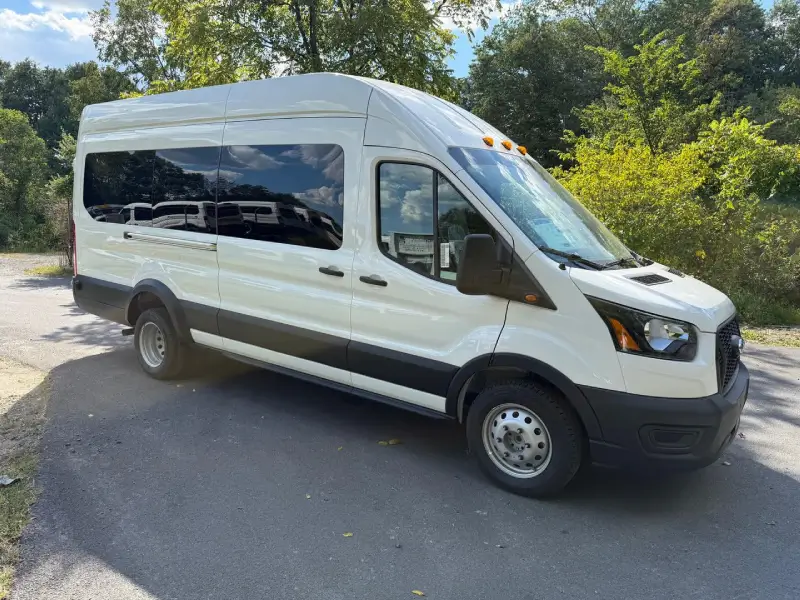
Comfort isn't just about the vehicle—it's also about what you bring. Long trips demand preparation, especially when medical needs are involved. Relying entirely on the shuttle provider is a mistake. Passengers and caregivers should take ownership of the details that matter most.
Essential items to have onboard:
- Medications with clear labels and dosing schedules
- Water bottles and easy-to-eat snacks that won't upset digestion
- Comfort items like pillows, blankets, or compression socks
- Charged devices for communication or entertainment
- Medical documentation in case of unexpected stops or emergencies
When a Shuttle Isn't Enough
Not every patient belongs in a shuttle van, even a well-equipped one. If someone requires continuous monitoring, IV medication, or advanced life support, standard non-emergency transport won't cut it. Those situations call for ambulance services or specialty medical vehicles with onboard clinical staff.
Pushing a patient into a shuttle when they need more is dangerous—and no reputable provider should agree to it. The line between comfort and medical necessity isn't always clear, but it's always worth clarifying before the wheels start turning.
Track Record Beats Marketing Every Time
Plenty of shuttle services talk a good game. Fewer deliver when the miles stretch out and conditions get tough. The ones that handle long-distance trips reliably don't just meet standards—they exceed them consistently, trip after trip, without cutting corners.
Look for providers with verifiable experience, clean safety records, and transparent communication. Ask about vehicle maintenance schedules. Confirm driver certifications. And if something feels off during booking, trust that instinct. Comfort starts with confidence, and confidence comes from choosing operators who've earned it.
Distance Reveals What's Real
Short trips hide flaws. Long ones expose them. A medical shuttle that handles multi-hour routes comfortably isn't doing anything extraordinary—it's doing exactly what it was built for. The suspension absorbs. The seats support. The driver navigates. And the passenger arrives without unnecessary strain or risk.
That's not a high bar. It's the standard. And when you're moving someone who's already dealing with enough, meeting that standard isn't optional. It's the difference between a trip that works and one that doesn't. For those evaluating vehicle platforms for medical use, understanding these distinctions matters. Organizations seeking Ford Transit or RAM ProMaster configurations should consider how each design handles extended travel demands.
Let’s Make Your Next Long-Distance Trip Comfortable
We know how important it is for every mile to feel safe and comfortable when it comes to medical transport. If you’re planning a long-distance trip and want to ensure your passengers are cared for every step of the way, let’s talk about how we can help. Call us at 877-824-8267 or request information to get started with a team that puts your needs first.
‹ Back
Recent Posts
-

Can One Mobility Van Handle Every Transportation Need?
September 11, 2026
-
How Adult Daycare Vehicles Support Daily Transportation Needs
August 28, 2026
-

Are Crew Vans Being Used Beyond Job Sites?
August 14, 2026
-
-


Site by