By using our website, you agree to the use of cookies as described in our Cookie Policy


Planning Fleet Expansion With Mobility Vehicles Across the Country
Most fleet managers think expansion is just about buying more vehicles. Add units, cover more ground, call it growth. But scaling a mobility fleet across state lines involves more than procurement — it's about compliance, logistics, and proving you can deliver accessible service without cutting corners. Miss one regulatory detail or underestimate maintenance costs, and your expansion becomes a liability instead of an asset.
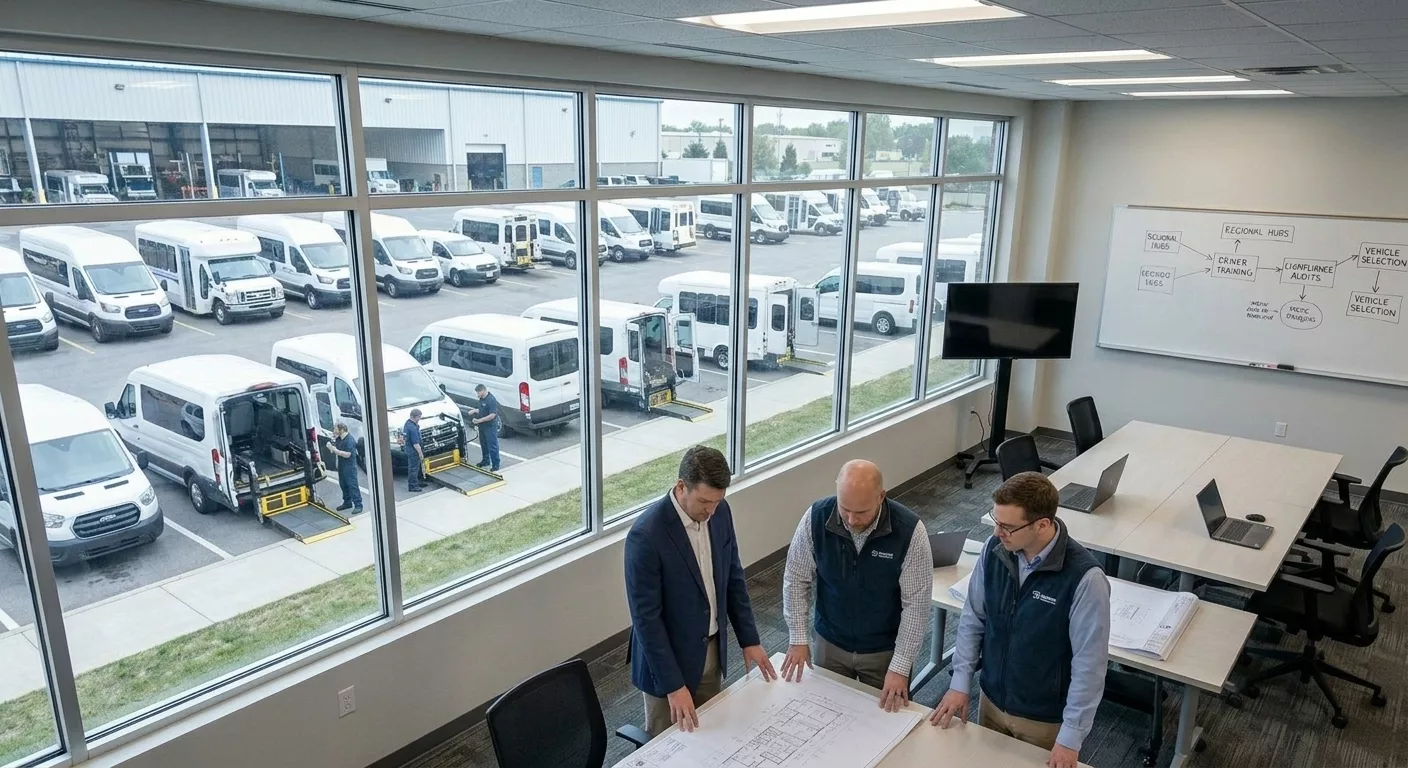
So here's what matters. If you're building a national footprint with adaptive vehicles, you need more than good intentions. You need documentation that holds up under audit. You need routes that make financial sense. And you need a team that understands the difference between transporting passengers and serving people who depend on accessibility to live their lives.
Demand Isn't Uniform and Neither Should Your Strategy Be
Rolling out mobility vehicles nationwide means recognizing that need varies wildly by region. What works in a dense metro area won't translate to rural counties where riders are spread thin and infrastructure is sparse. You can't drop the same fleet model everywhere and expect efficiency.
Start by mapping where accessibility gaps exist. Partner with local disability advocacy groups, healthcare networks, and transit authorities to understand who's underserved and why. Urban markets may need high-capacity paratransit buses running tight schedules. Rural zones might require smaller vans with flexible routing. Tailor your deployment to the geography, not the other way around.
Budgeting Beyond the Sticker Price
Buying the vehicles is the easy part. Keeping them running, insured, staffed, and compliant — that's where costs pile up. Most organizations underestimate total ownership expenses and end up scrambling when maintenance bills hit or insurance premiums spike after a claim.
Build a budget that accounts for the full lifecycle. Include customization costs for wheelchair lifts, securement systems, and ADA-compliant interiors. Factor in fuel or charging infrastructure if you're going electric. And don't forget staffing — drivers need training, benefits, and backup coverage. Funding sources can help offset upfront costs, but only if you apply early and document need clearly.
- Federal grants through FTA or state DOT programs
- Public-private partnerships with healthcare systems or municipalities
- Community fundraising tied to specific service expansions
- Leasing options that reduce capital outlay and include maintenance packages
- Tax incentives for purchasing accessible or low-emission vehicles
Vehicle Selection Isn't One Size Fits All
Not every mobility vehicle serves the same purpose. A wheelchair van built for individual transport won't cut it if you're running group medical appointments. A paratransit bus designed for urban routes may struggle on unpaved rural roads. Choose vehicles based on mission, not just availability.
Work with manufacturers and upfitters who specialize in ADA compliance and understand the nuances of accessible design. Verify that every vehicle meets federal and state standards before it hits the road. And consider future-proofing your fleet — electric and hybrid models may cost more upfront, but they reduce fuel expenses and align with evolving emissions regulations.
- Wheelchair-accessible minivans for individual or small-group transport
- Paratransit buses with multiple securement positions for higher capacity
- Stretcher vans for non-emergency medical transport
- Electric or hybrid models to lower operating costs and meet sustainability goals
- Vehicles with advanced safety features like collision avoidance and backup cameras
Logistics Determine Whether Your Fleet Actually Works
Deploying vehicles across the country means coordinating maintenance schedules, driver assignments, and service coverage without gaps. You can't afford downtime when riders depend on your fleet for medical appointments, employment, and daily independence.
Invest in fleet management software that tracks vehicle location, usage patterns, and maintenance alerts in real time. Establish regional service hubs so vehicles can be maintained locally instead of being pulled off the road for days. Build routing algorithms that balance efficiency with rider needs — accessibility isn't just about the vehicle, it's about reliable arrival times and respectful service.
- Centralized dispatch systems that optimize routes and reduce deadhead miles
- Preventive maintenance schedules tied to mileage and usage data
- Regional partnerships with certified mechanics who understand adaptive equipment
- Backup vehicles staged in high-demand areas to cover breakdowns or surges
- Real-time rider communication tools for schedule updates and service changes

Training Separates Good Fleets From Great Ones
Your drivers aren't just operating vehicles — they're the face of your service and often the only human interaction riders have during transport. Poor training leads to unsafe securement, uncomfortable rides, and complaints that damage your reputation and invite regulatory scrutiny.
Require comprehensive training that covers vehicle operation, wheelchair securement, passenger assistance, and emergency protocols. Include sensitivity training so drivers understand the diverse needs of riders with disabilities. Make ongoing education mandatory, not optional. The best fleets treat driver development as seriously as mobility van maintenance.
- Hands-on securement training with multiple wheelchair and mobility device types
- Defensive driving courses tailored to larger or modified vehicles
- Customer service modules focused on dignity, patience, and communication
- Emergency response drills for medical incidents or vehicle malfunctions
- Annual refresher courses to maintain certification and update on new equipment
Compliance Isn't Negotiable and Audits Happen
Expanding across state lines means navigating a patchwork of federal ADA requirements, state transportation regulations, and local licensing rules. One missed inspection or outdated certification can shut down operations in an entire region.
Stay ahead of compliance by conducting internal audits before regulators do. Keep documentation organized — vehicle inspections, driver certifications, maintenance records, and incident reports should be accessible and up to date. Work with legal or compliance advisors who specialize in accessible transportation to avoid costly mistakes.
Measuring What Matters Keeps You Moving Forward
Once your fleet is running, track performance beyond just ridership numbers. Monitor on-time rates, vehicle uptime, rider satisfaction, and cost per trip. Collect feedback directly from passengers and use it to refine service. Data-driven decisions beat guesswork every time.
Set benchmarks for service quality and hold your team accountable. If certain routes consistently run late or specific vehicles spend too much time in the shop, dig into why and fix it. Continuous improvement isn't a buzzword — it's how you stay competitive and keep riders coming back.
Expansion Done Right Builds More Than a Fleet
Scaling mobility vehicles nationwide isn't just about adding units to a roster. It's about proving you can deliver accessible, reliable service at scale without sacrificing quality or compliance. The organizations that succeed are the ones that plan for complexity, invest in people as much as equipment, and treat every rider like their service matters — because it does.
We've worked with fleet operators who understand that growth without strategy is just expensive chaos. The ones who map demand, budget realistically, train relentlessly, and stay compliant are the ones still running strong years later. If you're serious about expansion, start with a plan that accounts for the hard parts — not just the headlines.
Let’s Build Your Fleet’s Future Together
Expanding your mobility fleet is a journey best taken with experienced partners who understand the challenges and rewards of accessible transportation. We’re here to help you navigate every step, from compliance to logistics, so your service can reach more people without compromise. Give us a call at 877-824-8267 or request information today and let’s move your fleet forward, together.
‹ Back
Recent Posts
-
Should You Choose a Custom Wheelchair Van or a Factory Model?
October 9, 2026
-
When Is It Time to Replace Your Medical Transport Vehicle?
September 25, 2026
-

Can One Mobility Van Handle Every Transportation Need?
September 11, 2026
-
How Adult Daycare Vehicles Support Daily Transportation Needs
August 28, 2026
-

Are Crew Vans Being Used Beyond Job Sites?
August 14, 2026

Site by