By using our website, you agree to the use of cookies as described in our Cookie Policy


What to Know Before Ordering a Custom Mobility Vehicle
Most people think buying a mobility vehicle is just about finding the right ramp. Pick a van, add a lift, done. But there's a lot more under the surface — and if you skip the details, you're setting yourself up for frustration. Custom builds take time. They cost real money. And they need to match how you actually live, not just what looked good in a showroom.
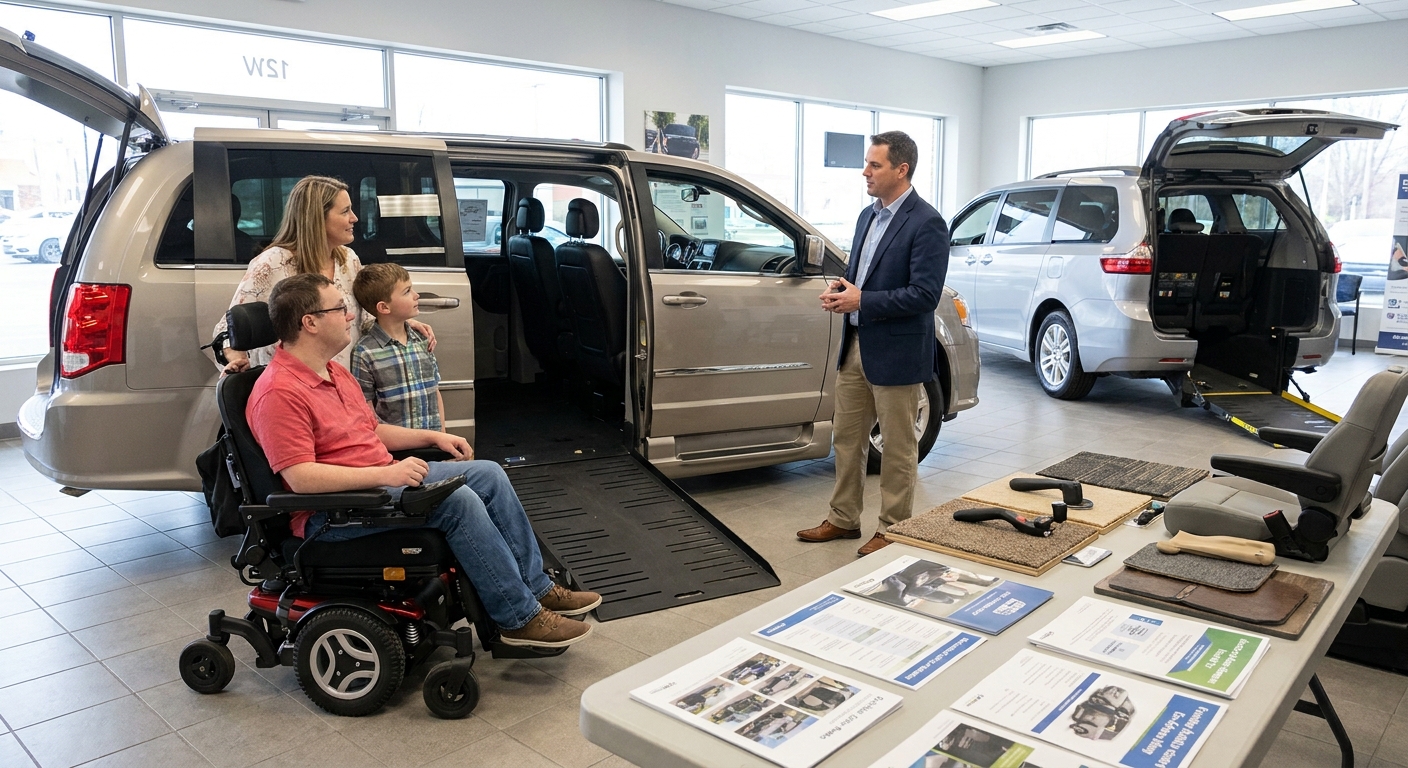
So here's what matters. If you're investing in independence, that's a smart move. Just don't treat it like buying any other car. Every feature should align with your daily routine. Every dealer conversation should dig into specifics. And every decision should be grounded in what you need the vehicle to do — not just what it looks like parked in the driveway.
Figure Out What You Actually Need
Before you talk to anyone, get clear on your situation. Are you driving or riding? Do you use a power chair, manual chair, or scooter? How many passengers do you typically haul? What kind of gear comes along for the ride? These aren't small questions — they shape everything from floor height to door width.
We've seen people order vehicles based on vague assumptions, then realize six months later that the configuration doesn't work. Start with a real assessment of your mobility setup and daily patterns. Write it down. Share it with your dealer. The more specific you are upfront, the fewer headaches you'll face later.
The Base Vehicle Sets the Tone
Custom mobility builds start with a foundation — usually a minivan, full-size van, or SUV. Each has tradeoffs worth understanding before you commit.
- Minivans offer easier handling and lower entry points, which helps in tight parking lots and urban settings
- Full-size vans deliver more interior space and weight capacity, making them ideal for larger equipment or multiple users
- SUVs bring style and all-wheel drive, but often come with higher floors and steeper entry angles
- Fuel economy varies widely, so factor in your typical driving distances and frequency
- Resale value depends on the base model and conversion quality, so choose something built to last
Entry Points Change Everything
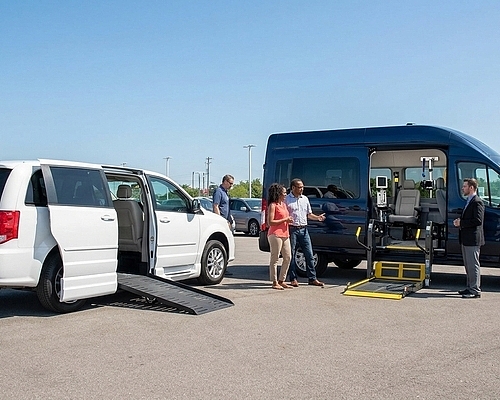
Side-entry and rear-entry conversions sound like minor differences. They're not. Side-entry lets the wheelchair user sit up front, which feels more social and involved. But you'll need clearance for the ramp to deploy — tight garages and narrow parking spaces become a problem fast.
Rear-entry keeps the footprint compact and makes loading easier in crowded areas. The downside? You're usually stuck in the back. If you're the driver, that's a dealbreaker. If you're riding, it might not matter. Think through where you'll actually be parking and who's sitting where before you make the call.
Certified Dealers Are Worth the Effort
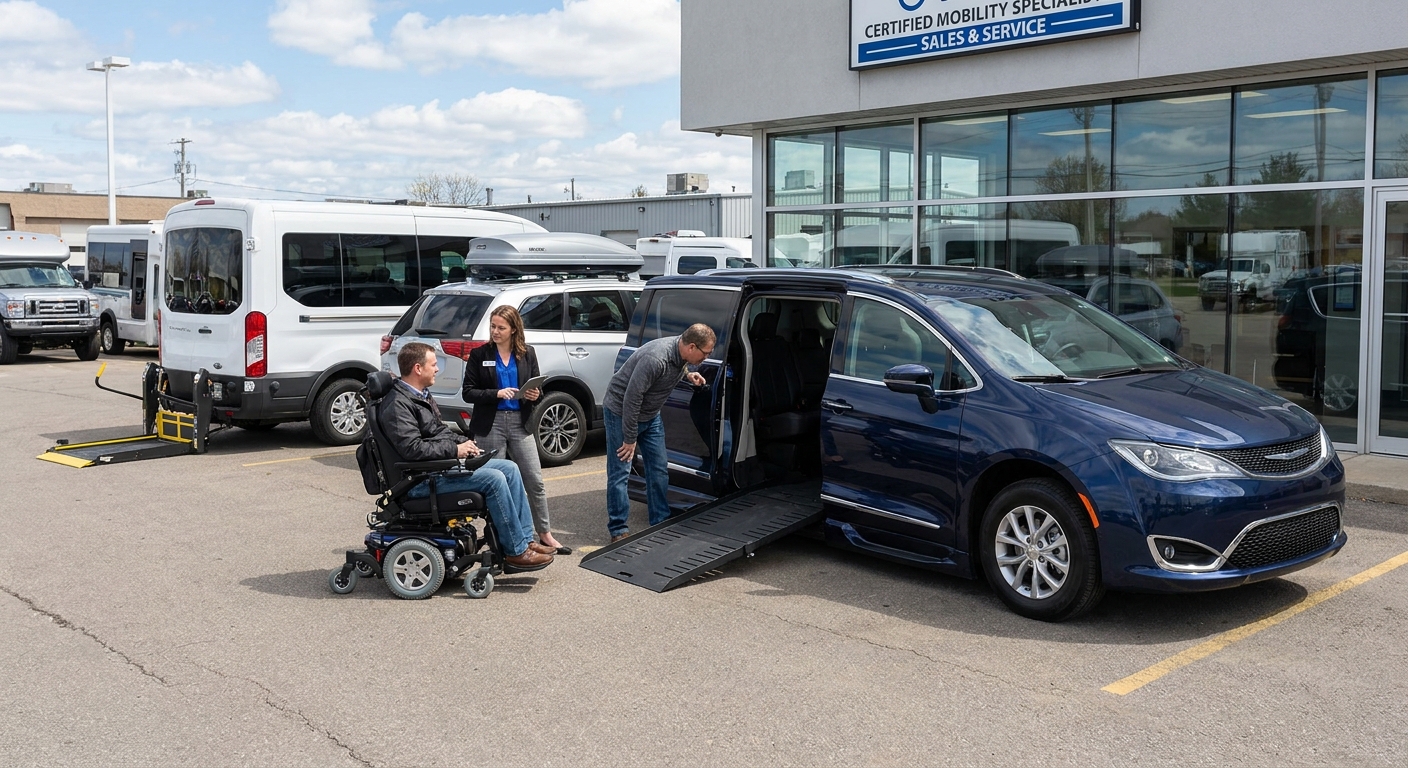
Not every shop that says they can do mobility work is qualified to do it right. Look for authorized dealers who hold NMEDA certification or equivalent credentials. That means their techs are trained, their installations meet safety standards, and their work gets inspected.
A good dealer doesn't just sell you a vehicle and disappear. They walk you through options, schedule a proper needs assessment, and stick around for service after delivery. We've worked with businesses that treat adaptive equipment like an afterthought — and we've seen the mess that creates. Don't settle for that.
Funding Options Exist If You Know Where to Look
- State vocational rehab agencies may cover part or all of the cost if the vehicle supports employment
- Veterans' benefits can provide funding for eligible service members and their families
- Non-profit organizations occasionally offer grants for mobility equipment
- Insurance policies sometimes include adaptive vehicle provisions, depending on coverage type
- Employer accommodations may apply if the vehicle is tied to job accessibility
Maintenance Isn't Just Oil Changes
Your custom rig has moving parts that regular mechanics don't touch. Lifts, ramps, and hand controls need routine inspection and occasional repair. If something breaks and your dealer is three states away, you're stuck.
Ask about warranty coverage before you sign anything. Find out what's included for the base vehicle and what applies to the conversion components. Make sure there's a local service option you can rely on. We've seen too many people learn this the hard way after their ramp stops working and the nearest certified shop is a two-day drive.
Test It Before You Commit
- Confirm that entry and exit feel smooth, not awkward or unsafe
- Test the securement system with your actual mobility device
- Verify that seating positions work for your height and reach
- Ask for training on adaptive controls if you're new to them
- Take notes on anything that feels off or needs adjustment
Customization Takes Longer Than You Think
These vehicles are built to order. That means weeks, sometimes months, from deposit to delivery. If you need wheels tomorrow, this isn't the answer. Plan ahead. Stay in touch with your dealer for progress updates. And if you're working around a timeline — a job start date, a move, a medical appointment schedule — communicate that early.
Documentation Protects You Down the Road
Once your vehicle is delivered, keep everything. The build specs, the warranty paperwork, the service records. If you ever need repairs, resell the vehicle, or apply for additional funding, that documentation becomes critical.
- Store copies of the conversion certificate and safety inspection reports
- Track all maintenance visits and any modifications made after delivery
- Keep receipts for adaptive equipment upgrades or replacements
- Document any issues that arise and how they were resolved
- Save contact information for your dealer, installer, and service team
Your Mobility Shouldn't Be an Afterthought
Ordering a custom vehicle is a big move — and it should be. This isn't about adding a sticker to a sedan. It's about building something that works with your life, not against it. The dealers who get it will ask hard questions. The builds that last will reflect real needs, not just catalog options.
We've seen what happens when people rush the process or go with the cheapest bid. And we've also seen what's possible when the planning is solid, the dealer is legit, and the vehicle is built to match how someone actually moves through the world. That's the difference between a purchase and a solution.
Let's Get You Moving Forward
We know how important it is to have a mobility vehicle that truly fits your lifestyle and needs. If you're ready to take the next step or just want to talk through your options, we're here to help every step of the way. Give us a call at 877-824-8267 or request information—let's work together to find the right solution for your independence.
‹ Back
Recent Posts
-
What to Know Before Ordering a Custom Mobility Vehicle
November 20, 2026
-

Is Long-Term Vehicle Financing Right for Your Organization?
November 6, 2026
-
Can Executive Livery Vans Be Customized for Business Travel?
October 23, 2026
-
Should You Choose a Custom Wheelchair Van or a Factory Model?
October 9, 2026
-
When Is It Time to Replace Your Medical Transport Vehicle?
September 25, 2026

Site by