By using our website, you agree to the use of cookies as described in our Cookie Policy


Is Your Crew Transport Van Meeting Safety Standards Coast to Coast?
Most fleet managers think crew vans are just about getting people from point A to point B. Load them up, hit the road, call it done. But regulators see more than that — and if you don't, you're asking for liability. Vans may not look like high-risk assets, but they leave a footprint on your compliance record. Especially if you're crossing state lines or hauling workers daily.
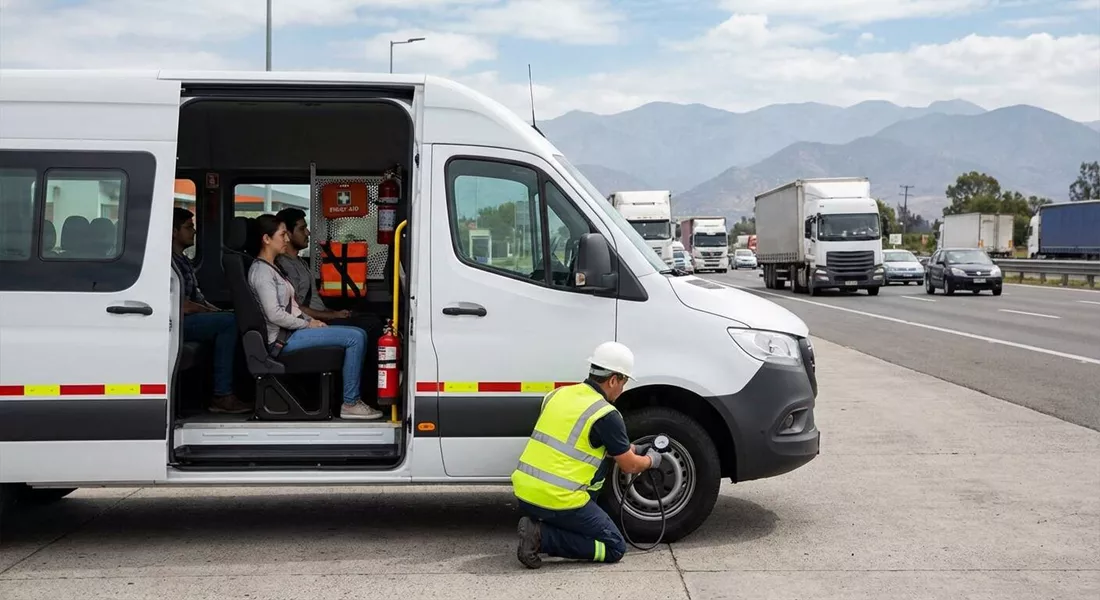
So here's the reality. If you're moving people to build something real, that's great. Just don't treat those vehicles like they're exempt from scrutiny. Every trip should have a safety check. Every driver needs proper credentials. And every compliance decision should be grounded in how the van was maintained — not just how it looked in the lot.
Federal Rules Set the Floor, States Raise the Bar
The DOT lays out baseline safety requirements for commercial passenger vehicles. You've got maintenance standards, driver qualifications, hours-of-service limits, and emergency gear mandates. That's the foundation. But states don't stop there — they pile on their own rules, and those vary wildly depending on where you operate.
California hammers you on emissions and inspection frequency. New York and Massachusetts get strict about seat belt configurations and passenger restraints. If your van crosses multiple jurisdictions, you're not just following one rulebook. You're juggling several, and missing one can cost you fines, downtime, or worse.
Equipment That Keeps Your Crew Intact
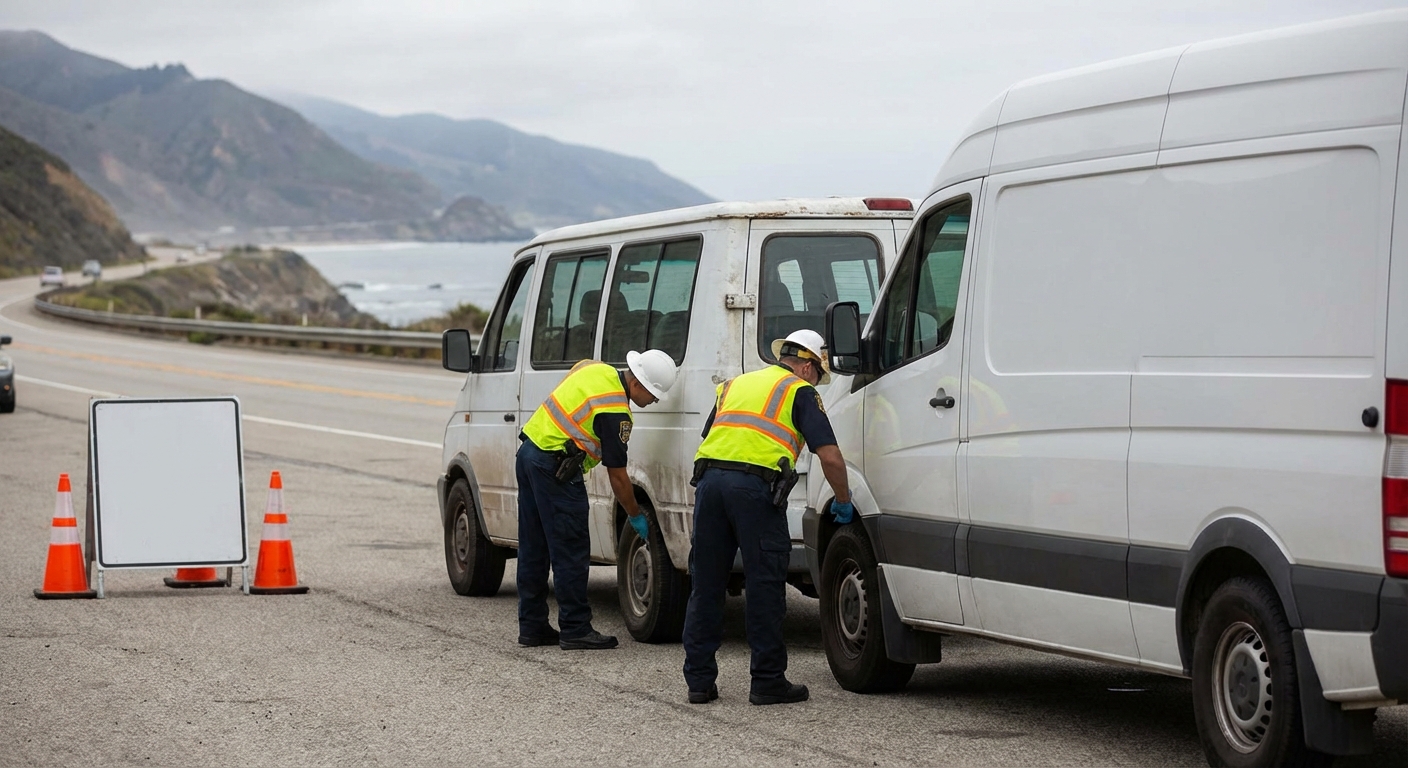
Want to run a compliant van? You'll need more than four wheels and a working engine. The IRS isn't the only agency that demands proof — state troopers and DOT inspectors will check your setup at roadside stops, and they won't take your word for it.
Here's what your van should have locked down:
- Seat belts for every passenger, not just the front row — some states won't let you roll without them
- Anti-lock brakes to prevent skidding when conditions turn ugly
- Electronic stability control to reduce rollover risk, especially with a full load
- First aid kit and fire extinguisher, both current and accessible
- Functional lighting and reflectors that meet visibility standards in every state you enter
- Maintenance logs that prove you're not running on hope and duct tape
Your Driver Is Either Qualified or a Liability
Even the safest van becomes a rolling hazard when the wrong person's behind the wheel. Federal law requires a valid CDL for vehicles over certain weight or passenger thresholds. Some states tack on endorsements or additional training for group transport.
Regular driver training isn't optional. Defensive driving, emergency protocols, state-specific quirks — all of it matters. And if a driver reports a mechanical issue, you don't wave it off. You address it before the next trip, or you're gambling with lives and licenses.
Inspections Aren't Suggestions
The DOT mandates pre-trip and post-trip inspections. States conduct random roadside checks. If your records are a mess or your van's overdue for service, you're not just risking a citation — you're risking your ability to operate.
Keep detailed logs of every inspection, repair, and driver shift. Digital fleet management systems make this easier, sending reminders for upcoming maintenance and flagging overdue items before they become problems. Paper trails save you when audits or accidents happen.
Regional Hazards Demand Regional Prep
Coast-to-coast routes throw everything at you. Ice and snow in the Northeast mean winter tires and de-icing gear. Desert heat in the Southwest strains cooling systems and tires. Mountain passes require extra braking power and transmission cooling.
Before you send a van across the country, review the route and equip accordingly. That might mean:
- Tire chains for winter mountain crossings
- Extra coolant for high-temperature stretches
- Adjusted travel schedules to avoid hazardous weather windows
- Backup communication tools for remote areas with spotty cell service
- Emergency supplies tailored to the terrain and season
Technology That Closes the Gaps
Newer vans come loaded with safety tech that older models lack. Lane departure warnings, backup cameras, collision avoidance systems — these aren't luxuries. They're tools that reduce accidents and lower your liability exposure.
If your fleet is aging, consider phasing in upgrades. The upfront cost stings less than a lawsuit or a totaled van. And some insurance carriers offer discounts for fleets with advanced safety features, which offsets part of the investment.
Where Most Fleet Managers Drop the Ball
Trying to skip inspections because the van "looks fine"? That's not a strategy. Sloppy maintenance records can cost you real money or even pull your operating authority. Most fleet managers stay ahead by using proper tracking tools or bringing in a compliance pro — and plenty avoid headaches by following best practices for crew vans.
Don't wait until a roadside inspection to discover your van's out of compliance. Reconcile maintenance monthly. It's tedious. It works.
Staying Current Without the Guesswork
Safety standards shift as new tech and regulations roll out. Subscribe to industry updates, attend safety seminars, and review DOT and state agency announcements regularly. What passed inspection last year might not cut it this year.
If your compliance mix includes multiple vans, interstate routes, or high-mileage schedules, you're in territory where DIY gets risky. A compliance consultant helps you:
- Identify which state rules apply to your routes and which don't
- Apply federal standards correctly without overcomplicating the process
- Separate required upgrades from optional ones
- Handle driver qualification tracking and renewal deadlines
- Keep regulators off your back
Safe Vans Start With Smart Habits
Running a crew van isn't the hard part. Keeping it compliant across state lines — and defending your safety record when inspectors show up — that's where fleets get caught off guard. There's no excuse for cutting corners when the standards are clear. But there's also no forgiveness when you blow past the rules.
Taking on crew transport means taking on responsibility. Every mile should be backed by a maintenance log. Every driver should be trained and certified. And every safety decision should be grounded in what protects your people — not just what gets them there fastest. If you're serious about running a tight operation, the work starts before the engine does. Understanding general information about mobile vehicles can help you make informed decisions about your fleet. Exploring vehicle platforms available for crew transport ensures you select the right foundation for safety and compliance. Many operators benefit from reviewing Ford Transit options or Ram ProMaster configurations when building out their fleet. For those looking to upgrade or expand, checking in-stock units can accelerate deployment while maintaining safety standards.
Let’s Make Compliance Your Competitive Edge
We know that keeping your crew vans safe and compliant isn’t just about checking boxes—it’s about protecting your people and your business every mile of the way. If you’re ready to take the guesswork out of fleet safety and want expert guidance tailored to your routes, let’s talk. Call us at 877-824-8267 or request information to get started on a smarter, safer path forward together.
‹ Back
Recent Posts
-

Can One Mobility Van Handle Every Transportation Need?
September 11, 2026
-
How Adult Daycare Vehicles Support Daily Transportation Needs
August 28, 2026
-

Are Crew Vans Being Used Beyond Job Sites?
August 14, 2026
-
-


Site by