By using our website, you agree to the use of cookies as described in our Cookie Policy


Are Medical Transport Vehicles Equipped for Comfort Across America?
Most people think medical transport is just about getting from one place to another. Point A to point B. But there's more to it than that — especially when you're dealing with patients who are already uncomfortable, anxious, or in pain. The ride matters. The environment matters. And if the vehicle isn't built with comfort in mind, you're adding stress to an already difficult situation.
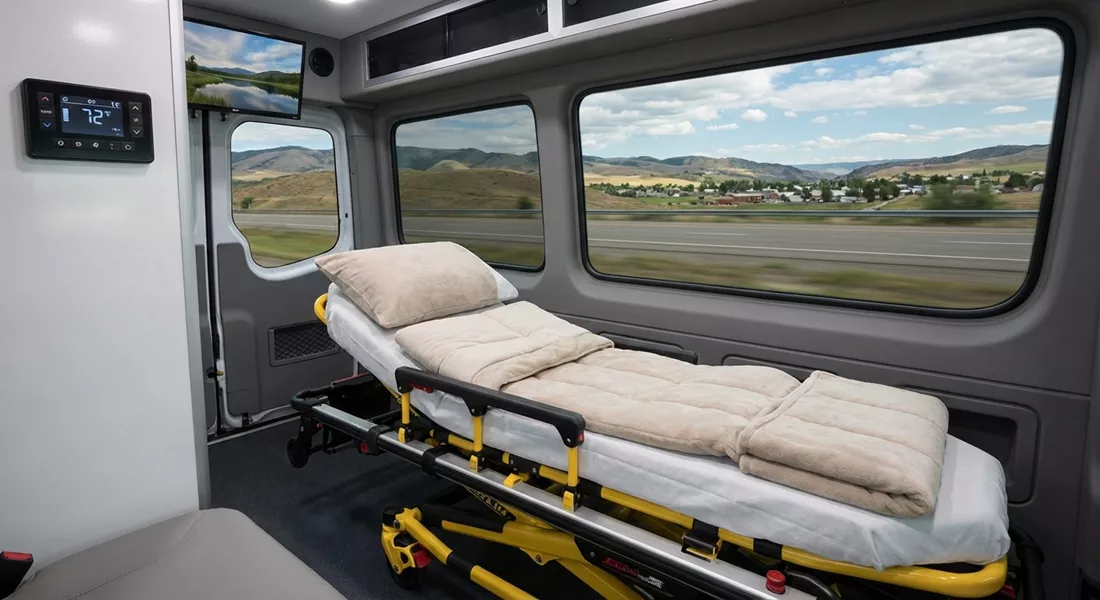
So here's what's happening. Medical transport providers across the country are starting to get it. They're investing in better suspension, climate systems, and seating that doesn't feel like a punishment. But the rollout isn't even. Some regions are ahead. Others are still running outdated fleets with zero consideration for what the patient actually experiences during the trip.
What Used to Pass for Transport
Years ago, medical vehicles were built for function and nothing else. Get the patient loaded. Get them moving. Get them delivered. Comfort wasn't part of the equation. If the ride was rough, that was just how it went. If the temperature was off, you dealt with it. The focus was speed and safety — which mattered, sure — but left a lot of people suffering through trips that didn't have to be that hard.
Now we're seeing a shift. Providers are recognizing that patient experience isn't some soft metric — it's part of the care itself. That means better suspension to smooth out the bumps. Climate control that actually works. Stretchers that adjust. Seating that doesn't wreck your back. It's not universal yet, but the direction is clear.
The Upgrades That Actually Help
When transport companies do invest in comfort, they're not just slapping in a cushion and calling it done. The upgrades are real, and they make a measurable difference for patients who spend hours in these vehicles or need frequent trips.
- Padded stretchers with adjustable positioning so patients aren't locked into one uncomfortable angle the entire ride
- Advanced climate systems that keep the cabin at a stable temperature no matter what's happening outside
- Soundproofing to cut down on siren noise, traffic, and equipment hum that can spike anxiety
- Entertainment options like music, screens, or Wi-Fi to help distract patients during longer hauls
- Privacy partitions so patients don't feel exposed or on display during transport
Where the Gaps Still Exist
Not every region is keeping pace. Urban centers with bigger budgets and higher patient volumes tend to have newer fleets with all the bells and whistles. Rural areas? Not so much. A lot of those providers are still running older vehicles that lack basic comfort features, and the funding just isn't there to upgrade.
State regulations play a role too. Some states set strict standards for what medical transport vans need to include. Others leave it up to the provider. And when it's left up to the provider, you get inconsistency. Non-emergency transport services — especially private ones — often offer more comfort options, but that's usually tied to what the patient can afford to pay.
Why Comfort Isn't Optional
For patients dealing with chronic conditions, recovering from surgery, or managing disabilities, comfort during transport isn't a nice-to-have. It's essential. A rough ride can worsen pain. A cold cabin can trigger complications. High noise levels can send anxiety through the roof. And when family members are involved, knowing their loved one is being moved in a safe and comfortable environment makes a real difference.
Comfortable transport also improves outcomes. Less stress means better recovery. A positive experience means patients are more likely to keep appointments and follow through on treatment plans. That's especially critical for people who need frequent trips — dialysis patients, chemo patients, anyone in ongoing physical therapy.
What Providers Are Adding Next
The next wave of upgrades is already in motion. Adjustable lighting systems that reduce glare and create a calmer atmosphere. Air purification to keep the cabin clean and reduce infection risk. Telemedicine setups so patients can consult with their care team during transport. These aren't standard yet, but they're being tested and rolled out in select markets.
- Lighting controls that let patients or staff adjust brightness and tone based on time of day or patient sensitivity
- Air filtration systems that go beyond basic HVAC to actively clean and circulate fresh air
- Telemedicine screens and connectivity so doctors can check in remotely during longer trips
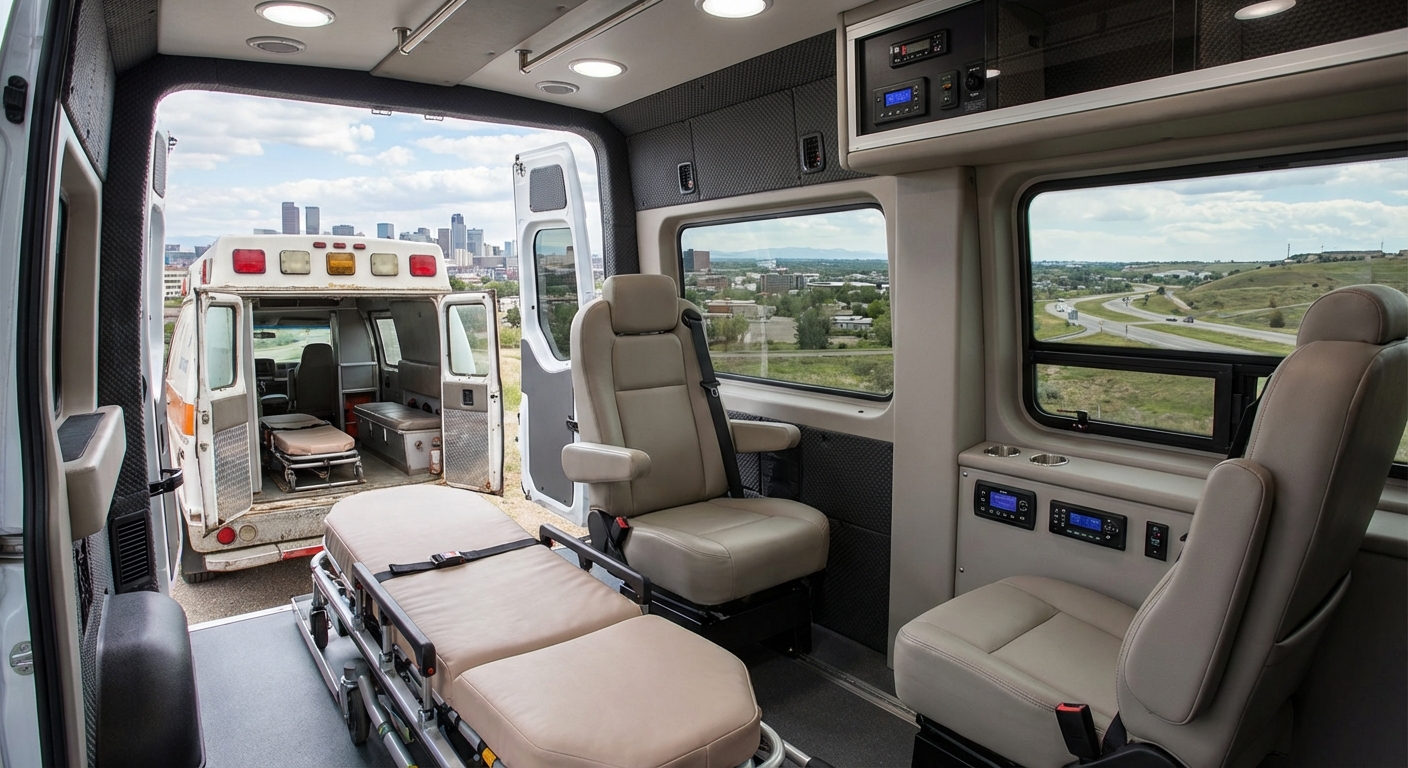
- Ergonomic seating for family members or caregivers who ride along and need support too
The Documentation You Should Expect
If you're booking medical transport — or if you're a provider trying to stay compliant — documentation matters. You need records of vehicle maintenance, equipment checks, and comfort feature functionality. If something goes wrong during transport, you'll want proof that the vehicle was up to standard.
- Maintenance logs showing regular inspections of suspension, climate systems, and seating
- Equipment certifications for stretchers, lifts, and wheelchair tie-downs
- Comfort feature checklists completed before each trip to confirm everything's working
- Patient feedback forms that track comfort levels and flag recurring issues
Where Most Providers Fall Short
Even with good intentions, a lot of transport companies miss the mark. They'll upgrade one part of the fleet and leave the rest outdated. They'll install new stretchers but ignore the suspension. Or they'll focus on emergency vehicles and let non-emergency transport lag behind. Consistency is the problem. If only half your fleet is comfortable, you're still failing half your patients.
Another common issue is maintenance. A vehicle can have all the right features, but if the climate system breaks and doesn't get fixed, or if the stretcher padding wears out and nobody replaces it, the comfort advantage disappears. Regular upkeep isn't glamorous, but it's what keeps the upgrades functional. Understanding mobility van maintenance is critical for providers who want to maintain consistent comfort standards.
What Patients Should Ask Before Booking
If you're arranging transport for yourself or someone else, don't assume all providers are equal. Ask questions upfront. Find out what kind of vehicle will be used. Ask about climate control, seating options, and whether the vehicle has been recently serviced. If the provider can't answer those questions clearly, that's a red flag.
- What type of vehicle will be used and how old is it
- Does the vehicle have adjustable stretchers or seating for patients with specific needs
- Is climate control available and functional
- What soundproofing or noise reduction features are in place
- Can family members or caregivers ride along comfortably
Comfort Is Part of the Standard Now
Medical transport isn't just about moving bodies anymore. It's about moving people — with dignity, with care, and with an understanding that the trip itself is part of the treatment. The providers who get that are pulling ahead. The ones who don't are going to lose patients to competitors who actually invest in the experience. Providers should explore customization options to ensure their fleets meet patient comfort needs, and those looking to upgrade can review top features in medical transport vans to make informed decisions. Comfort isn't a luxury. It's what separates a professional operation from one that's just going through the motions.
Let’s Make Patient Comfort the New Standard
We believe every patient deserves a ride that’s as comfortable as it is safe. If you’re ready to upgrade your fleet or want to ensure your medical transport meets today’s expectations, let’s talk about how we can help. Call us at 877-824-8267 or request information to start the conversation and see what’s possible for your organization.
‹ Back
Recent Posts
-

Can One Mobility Van Handle Every Transportation Need?
September 11, 2026
-
How Adult Daycare Vehicles Support Daily Transportation Needs
August 28, 2026
-

Are Crew Vans Being Used Beyond Job Sites?
August 14, 2026
-
-


Site by