By using our website, you agree to the use of cookies as described in our Cookie Policy


Are Wheelchair Vans Built to Last for Drivers Across the Country?
Most people shopping for wheelchair vans focus on ramps and clearance. But durability? That's where the real questions start. These aren't just vehicles—they're lifelines. And if the conversion can't hold up to daily use, or the base platform starts falling apart after 80,000 miles, independence becomes a gamble. The good news is that when you pick the right foundation and maintain what matters, these vans can outlast expectations. The bad news? Not every conversion is created equal, and shortcuts show up fast.
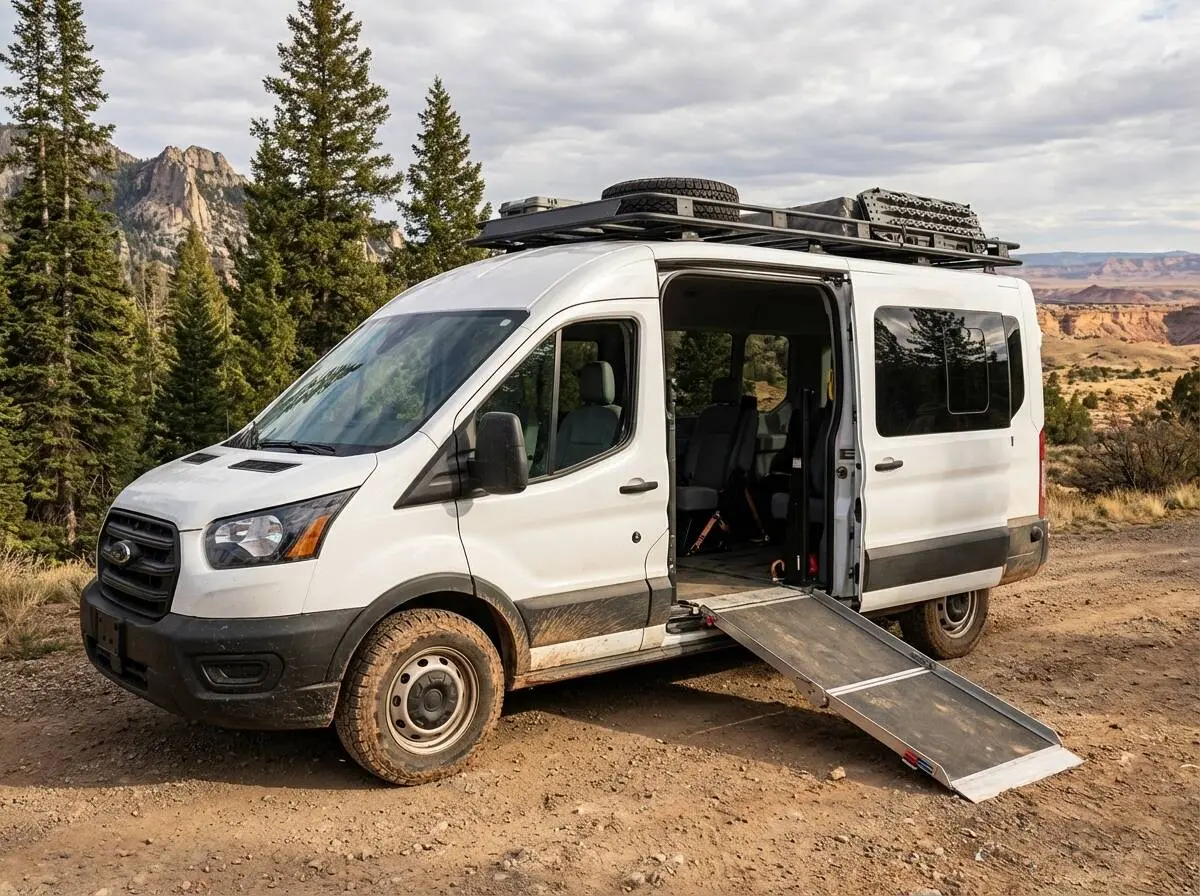
So here's what actually determines longevity. It's not just the badge on the grille or the warranty packet in the glove box. It's how the van was built, what it's made from, and whether the people modifying it understood the stress these vehicles endure. Every ramp cycle matters. Every floor reinforcement counts. And every maintenance interval you skip is a bet against the clock.
What Sits Underneath the Conversion
Before any modification happens, there's a stock vehicle doing the heavy lifting. Most wheelchair vans start as Chrysler Pacificas, Honda Odysseys, or Toyota Siennas—platforms engineered for family hauling and long-term reliability. These aren't experimental chassis. They're proven workhorses with track records stretching past 200,000 miles when maintained correctly.
The manufacturers converting these vans don't pick randomly. They choose models with strong frames, predictable service intervals, and parts availability nationwide. That matters when you're in Montana or Mississippi and need a repair. A solid vehicle platform means fewer breakdowns and more confidence that the platform won't quit before the conversion does.
How Modifications Hold Up Under Pressure
Cutting into a van and dropping the floor isn't cosmetic work. It's structural surgery. Reputable converters reinforce every inch they touch—steel bracing, welded supports, and engineered load distribution. The ramp gets cycled thousands of times. The floor bears constant weight shifts. The securement points take impact forces most sedans never see.
Quality conversions use materials built for punishment. Aluminum ramps resist corrosion. Reinforced flooring prevents flexing. Electrical systems are sealed against moisture and road spray. When a converter cuts corners—thinner metal, fewer welds, cheaper components—the van might look fine on day one. But six months in, you'll see cracks, rust, and mechanical failures that shouldn't exist.
Climate Doesn't Care About Your Warranty
A van in Arizona faces different enemies than one in Michigan. Sun bakes seals and fades interiors. Salt eats undercarriages. Humidity breeds rust in hidden pockets. Wheelchair vans cross all these zones, and the best-built ones are designed with that reality in mind.
Rust-resistant coatings and galvanized hardware aren't luxuries—they're necessities. Ramps exposed to freeze-thaw cycles need materials that won't crack. Electrical components near wheel wells need protection from road spray. Converters who understand regional wear patterns build vans that survive more than one climate. Those who don't? Their vehicles start showing age in places you can't easily fix.
Maintenance Gaps Become Expensive Problems
You can't ignore a wheelchair van and expect it to stay reliable. The base vehicle needs standard care—oil, brakes, tires, filters. But the conversion adds another layer. Ramps need lubrication. Lifts require inspection. Securement systems demand periodic checks for wear and tear.
Skip those intervals and small issues compound. A sticky ramp becomes a broken motor. A loose bolt becomes a failed securement. Most conversion companies provide maintenance schedules, and following them isn't optional if you want the van to last. The drivers who treat these vehicles like appliances—set it and forget it—are the ones calling for tows. Understanding mobility van maintenance requirements helps prevent these costly breakdowns.
What Coverage Actually Protects You
New wheelchair vans typically come with two warranties: one for the base vehicle, one for the conversion. The base warranty covers the engine, transmission, and factory components. The conversion warranty handles the ramp, floor, and accessibility features. Both matter, but the conversion warranty is where you see the biggest variation.
Some companies offer three years on parts and labor. Others stretch to five or include roadside assistance. A few provide lifetime coverage on structural components. Read the fine print. Know what's excluded. And understand that a strong warranty signals a converter confident their work will hold up. Weak coverage? That's a red flag.
Real Use Tells the Real Story
Across the country, drivers rack up serious mileage in wheelchair vans. Daily commutes, medical appointments, family trips—these vehicles see constant action. And the ones built right? They keep going. Drivers report 10, 12, even 15 years of service with nothing more than routine maintenance and occasional part replacements.
But there are also stories of vans that failed early. Ramps that jammed after two years. Floors that sagged under weight. Electrical gremlins that no shop could trace. The difference almost always comes down to the quality of the conversion and how well the owner maintained it. Longevity isn't luck—it's the result of smart choices and consistent care. Learning about design choices in mobility vans can help you identify quality construction.
Choosing Smart Means Driving Longer
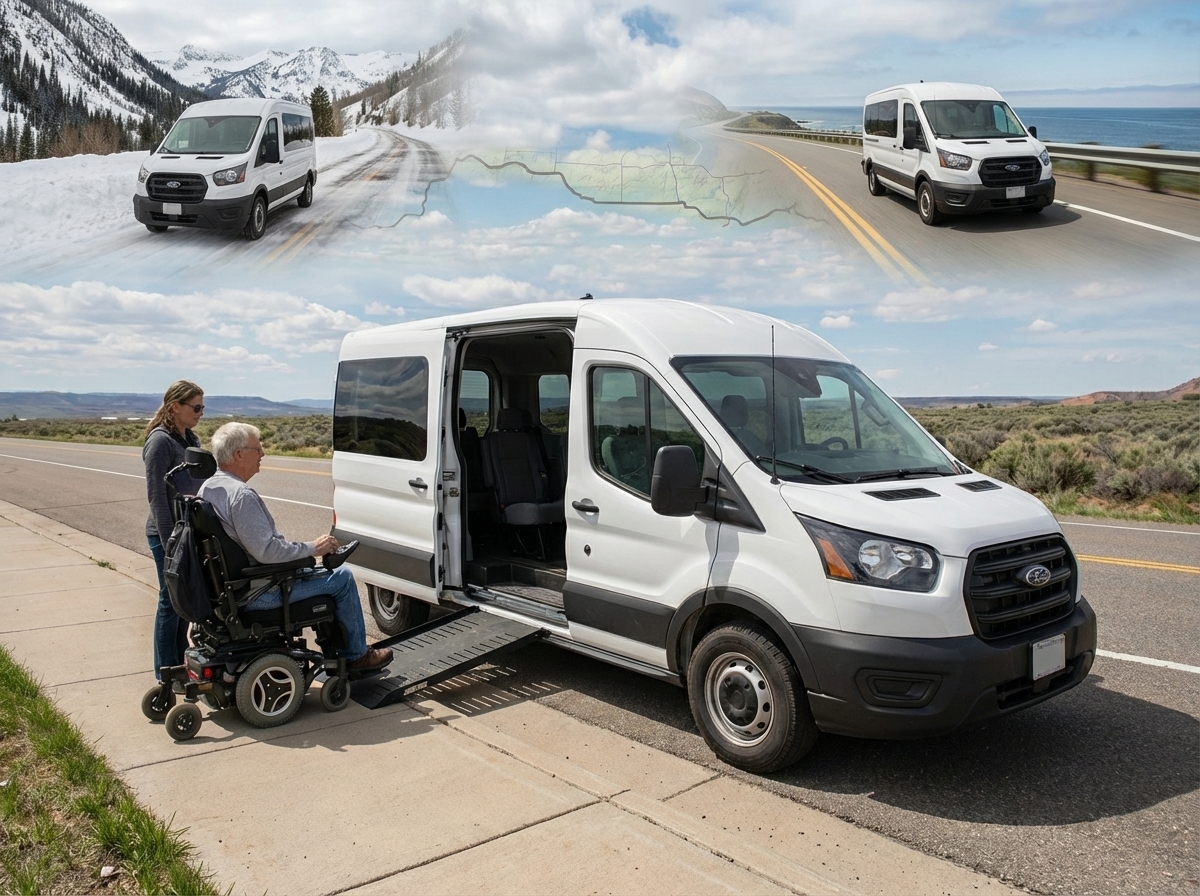
Wheelchair vans are built to last when the right pieces come together. A proven base vehicle, a quality conversion, climate-appropriate materials, and disciplined maintenance—that's the formula. Miss one of those, and you're rolling the dice. Nail all four, and you've got a vehicle that delivers independence for years, no matter where you live or how hard you use it.
The vans that fail aren't usually victims of bad luck. They're casualties of poor planning, cheap conversions, or neglected upkeep. The ones that thrive? They're proof that when you invest in quality and stay on top of care, a wheelchair van can be one of the most reliable vehicles on the road. And for the people who depend on them, that reliability isn't just convenient—it's everything. Whether you're considering Ford Transit or Ram ProMaster platforms, choosing the right foundation matters for long-term durability.
Let’s Keep You Moving Forward
We know how much your independence depends on a wheelchair van that stands the test of time. If you’re ready to make a smart investment or have questions about what makes a van truly durable, let’s talk it through together. Call us at 877-824-8267 or request information and we’ll help you find the right solution for your needs.
‹ Back
Recent Posts
-

Can One Mobility Van Handle Every Transportation Need?
September 11, 2026
-
How Adult Daycare Vehicles Support Daily Transportation Needs
August 28, 2026
-

Are Crew Vans Being Used Beyond Job Sites?
August 14, 2026
-
-


Site by